Sunset Catamaran Cruise from Lahaina: What to Expect
What is the Lahaina sunset catamaran cruise?
It is a roughly two-hour sail on a multi-hull catamaran departing Lahaina Harbor in the late afternoon, tracking the West Maui coastline toward Kaanapali as the sun goes down over the channel. Most boats offer both a covered cabin and open deck seating, and the sail itself is the point of the trip rather than a meal or a bar.
Why a Lahaina sail, and not the Maalaea one
If you’re staying in Lahaina or Kaanapali, the sunset catamaran that matters to you is the one leaving from Lahaina Harbor, not the one out of Maalaea on the south side of the isthmus. The two are genuinely different trips: different harbor, different coastline, different drive time from your hotel. If a Maalaea departure fits your base better, that version — usually built around a full dinner service — is covered separately in the sunset dinner cruise from Maalaea guide. This page sticks to what a Lahaina-based sunset sail actually is: boarding, the route up the West Maui coast, and the sunset itself, without getting into the specifics of onboard menus or bar service, which vary by boat and by which package you buy.
Lahaina Harbor sits at the edge of the town’s waterfront. The harbor and its boat operations are functioning normally; if you’re wondering about the state of the town itself after the August 2023 fire, the honest picture is in Lahaina rebuilding after the fire rather than in a tour description. For the purposes of this guide: the port works, the boats run, and this is one of the more accessible evening activities for anyone staying on the west side.
What the sail covers, in plain terms
A typical Lahaina sunset catamaran cruise departs in the late afternoon, timed so the boat is out on the water and positioned when the sun actually sets — departure times shift through the year as sunset moves earlier or later, so check the specific time on your booking rather than assuming a fixed hour. The boat leaves the harbor, turns north along the coast toward Kaanapali, and sails roughly parallel to shore before heading back out toward open water for the sunset itself.
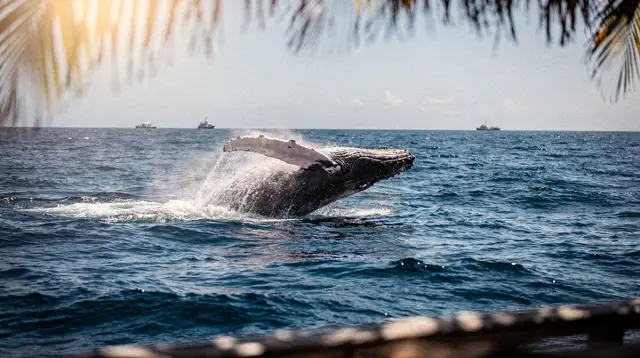
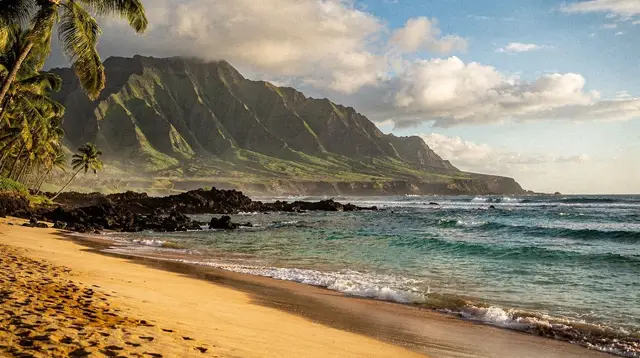
What you get from the water is a low, wide view of the West Maui Mountains behind Lahaina and Kaanapali, the resort line along the beach, and — depending on haze and cloud — the silhouettes of Lanai and Molokai across the Auau Channel. That channel is the same water where humpback whales gather in winter, and it isn’t unusual to see a spout or a breach even on a sunset sail between December and April, though it’s a bonus, not the purpose of the trip. For the season and the odds, best time for whale watching in Maui has the specifics.
Most catamarans running this route have a shaded cabin area and open deck space, including a trampoline net on the bow on some boats. Deck space near sunset fills up, so if the view forward is what you’re after, positioning yourself early rather than a few minutes before the sun actually drops matters. The sail is roughly two hours door to door: boarding, the outbound leg, time on the water as the sun sets, and the return to the harbor, usually finishing at or shortly after dusk.
Boarding at Lahaina Harbor
Boarding generally opens 30 to 45 minutes before the listed departure. The harbor is small and parking nearby is limited and often paid; if you’re staying in Kaanapali rather than in Lahaina town itself, budget extra time for the drive down the coast, since the Honoapiilani Highway can back up at the end of the day when everyone is heading toward dinner reservations at the same hour.
Check-in is typically at a booth or trailer near the harbor rather than at the boat itself, and most operators ask you to check in before walking to the slip. Bring a form of ID and your confirmation, and expect a short safety briefing once aboard covering life jackets and where they’re stowed — standard for any boat leaving Hawaii waters, not specific to this trip.
What this guide does not cover
Three related products get their own pages, deliberately, because mixing them into one write-up makes all of them less useful:
- A plated dinner sail from Maalaea, with a multi-course meal service, covered in sunset dinner cruise from Maalaea.
- An adults-focused cocktail sail, built around drink service rather than scenery, covered in sunset sail with cocktails.
- Family-specific criteria — bathroom access, seasickness in kids, age minimums — covered in best sunset cruise for families.
If your priority is the meal, the bar, or a family-specific comparison, those pages answer the question better than this one will. This page is about the sail itself: the harbor, the route, the coastline, and the sunset.
Comparing Lahaina to the south-side option
| Lahaina sunset sail | Maalaea sunset dinner cruise | |
|---|---|---|
| Departure point | Lahaina Harbor, west coast | Maalaea Harbor, south-central coast |
| Best base | Lahaina, Kaanapali | Kihei, Wailea, Kahului |
| Focus | Coastal scenery and sunset | Sunset plus a plated meal |
| Typical length | About 2 hours | Often longer, built around dining |
| Sea conditions | Generally sheltered, lee-side coast | More exposed to afternoon wind |
Maalaea tends to get windier in the early-to-mid afternoon, which is part of why boats there often depart later and closer to dinner service. Lahaina’s coast is more sheltered from the trade winds for most of the day, which is one reason a shorter, view-focused sunset sail works well from this harbor specifically.
Timing and season
Sunset time on Maui shifts by more than two hours across the year, from roughly 6 p.m. in December to nearly 7:30 p.m. in June and July. Departure times on the booking calendar move accordingly — a “sunset sail” in January and one in July are not leaving the harbor at the same clock time, even though the structure of the trip is identical. Always check the specific departure time attached to your date rather than assuming.
Winter sails (roughly November through March) carry two extras: whale season overlaps directly with the trip, and the West Maui coast sees more cloud buildup over the mountains in late afternoon, which can mute or completely block the sunset itself on a given evening — a possibility worth knowing about before you book, not a guarantee that it will happen. Summer sails tend to have clearer western horizons but no whale chance. For a broader look at what each month is actually like on this coast, see Maui weather by month.
What to bring and wear
The deck is warm at boarding, in direct afternoon sun, and noticeably cooler once the boat is moving and the sun has dropped — bring a light layer even in summer. Bow seating and the trampoline net catch spray once the boat is under sail; a rash guard or quick-dry clothing suits that spot better than anything you’d wear to dinner. Sunglasses matter more than sunscreen for this specific trip, since most of it happens with the sun low on the horizon rather than overhead. A full rundown of what actually works on the water, including what to skip, is in sunset cruise: what to wear — worth reading before you pack for the evening.
One rule that applies here regardless of what you bring: sunscreen with oxybenzone, octinoxate, or octocrylene is banned from use anywhere in Maui County, boats included, and most operators will ask you not to apply chemical sunscreen on deck. If you’ll need reapplication during the sail, bring a mineral (zinc-based) product.
Motion, comfort, and who this suits
The Auau Channel between Maui, Lanai, and Molokai is generally calmer than open ocean, and Lahaina’s position on the leeward coast keeps most sunset sails on relatively sheltered water. That said, any boat trip carries some motion, and afternoon trade winds can pick up chop on the return leg. If you’re prone to seasickness, treat it before boarding rather than after symptoms start — waiting until you feel unwell rarely works.
This is a comfortable outing for most ability levels: no snorkeling, no swimming, and minimal physical activity beyond walking to a seat and back. It suits couples looking for an easy evening activity as much as families, though the deck can be crowded in the final minutes before sunset, and there’s no dedicated program for younger kids on the general sightseeing sail — again, see the family-focused comparison if that’s the deciding factor for your trip.
Booking and what varies by operator
Boats, exact routes, and departure points along Lahaina Harbor vary by company, and so does what’s included beyond the sail itself — some include light refreshments, others are purely a scenic sail with a cash bar, and a few are set up closer to the dinner-cruise format covered on its own page. Read the specific listing for what’s included before booking rather than assuming based on this guide, since the sail structure described here (harbor departure, coastal route, sunset, return) is common to nearly all of them, but the extras are not standardized across operators.
a Kaanapali-area sunset catamaran sail is one option departing this stretch of coast, sailing the same general route described above.
If your evening happens to fall in whale season and you’d rather prioritize sightings over sunset timing, a dedicated whale watching cruise from Lahaina runs on a schedule built around when whales are most active rather than around sunset.
For a daytime pairing on the same stretch of coast, an Olowalu snorkeling trip covers the reef just south of Lahaina and works well earlier the same day, before an evening sail.
Pairing it with the rest of your day
Because the harbor is in Lahaina town, a sunset sail pairs naturally with an earlier day spent in things to do around Lahaina or a full afternoon based out of Kaanapali. If you’re deciding between staying on this coast or basing yourself in the south, Kaanapali versus Wailea lays out the tradeoffs, including which coast makes a Lahaina sunset sail an easy add-on versus a longer drive.
For the wider category of evening boat trips on this coast, including dinner and cocktail formats, sunset and dinner cruises rounds up the options by type rather than by harbor.
Since boarding for a Lahaina sunset sail doesn’t open until late afternoon, the earlier part of the day on this coast is free for something that doesn’t compete for the same hours. A cacao farm tour and feast near Lahaina, built around one of the few crops grown for chocolate in the United States, works well as a midday activity that wraps up well before boarding time. It doesn’t overlap with the boat itself; it’s simply a way to fill the hours before departure without wasting a west-side day waiting around for sunset.
Getting to Lahaina Harbor from other parts of the island
Guests based in Lahaina or Kaanapali have the shortest drive, often 10 to 20 minutes depending on traffic along the Honoapiilani Highway. From south Maui — Kihei, Wailea, or Makena — the drive around the West Maui Mountains or through central Maui typically runs close to an hour, longer at late-afternoon drive time, which matters because boarding windows for a sunset sail don’t move to accommodate a late arrival.
From Kahului or the airport area, plan on a similar hour-plus drive down the coast. There is no ferry or bus route that gets you to Lahaina Harbor in time for an evening boarding; a rental car or a pre-arranged transfer is effectively required for anyone not already staying on the west side. If you’re still deciding where to base your trip with evening activities like this one in mind, where to stay in Maui for first-timers covers how proximity to harbors and attractions factors into the choice.
Photographing the sunset from the water
Shooting from a moving boat is different from shooting a sunset from a fixed spot on land: the horizon tilts with the swell, and a wide-angle shot of the sky tends to lose the coastline detail that makes a Lahaina sail distinctive in the first place. Bracing against a rail or seat back rather than trying to hold the camera freehand cuts down on blur once the light gets low.
The bow gives the cleanest unobstructed view forward, but it’s also the spot that fills up first and catches the most spray, so a phone or camera in a splash-resistant case is worth the extra step. Because the sun sets over open water rather than behind the island from this route, there’s rarely a silhouette of land in the final shot — if that coastline-against-the-sky composition matters to you, a shore-based sunset on the Kaanapali beachfront itself, taken before or instead of boarding, may suit the goal better than the boat does.
The honest limitations
A sunset sail cannot promise a dramatic sky — cloud cover over the West Maui Mountains in late afternoon sometimes flattens the color, and there’s no way to know in advance which evenings will deliver a clear horizon and which won’t. Whale sightings, when in season, are a bonus rather than a feature of the itinerary, and operators won’t reroute a scenic sail to chase a distant spout. And because this is a general sightseeing sail rather than a dining cruise, don’t book it expecting a full meal; if a proper dinner is the point of your evening, the Maalaea version is built for that instead.
What it reliably delivers is a low-effort, scenic close to a day on the west side: a short drive to the harbor, about two hours on the water, a view of the coastline most visitors only see from the beach, and a sunset watched from open water rather than from a resort lawn.
Sunset and dinner cruises on GetYourGuide
Verified deep-linked GetYourGuide tours. Book through these links and we earn a small commission at no cost to you.
GetYourGuide does not provide a product photo for this activity — the image shows the meeting point, photographed by us.