Where to Stay in Maui: A First-Timer's Guide to Choosing Your Base
Where should a first-time visitor stay in Maui?
Most first-timers do best on the west side around Kaanapali, or on the south side around Wailea and Kihei — both are resort-equipped, sunny most of the year, and close to snorkeling and sunset cruises. Pick one region as your base and take day trips from it rather than moving hotels mid-trip.
The region matters more than the hotel
Maui is roughly 48 miles long from tip to tip, and its resort areas are not scattered evenly around the coastline — they cluster in two places: the west side around Kaanapali and Lahaina, and the south side around Kihei and Wailea-Makena. Everywhere else on the island — Kahului, Wailuku, Upcountry, Paia, Hana — has lodging too, but it is not built around beach resorts the way the west and south coasts are. For a first visit, the real decision is not which hotel to book. It is which of these two coasts to build your trip around, because that choice sets your drive times to nearly everything else you do.
This guide walks through what each region offers and who it suits. It does not run a line-by-line, dollar-for-dollar comparison of Kaanapali against Wailea — that breakdown lives in our West Maui vs. South Maui guide and in our Kaanapali vs. Wailea comparison. What follows is meant to get a first-timer to a confident decision, then send you to book.
West Maui: Kaanapali, Kapalua, and the recovering town of Lahaina
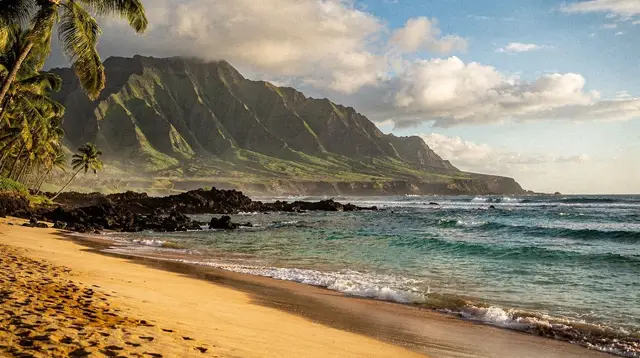
The west side sits in Maui’s rain shadow, so it stays sunny and dry most of the year, and it faces the Auau Channel — the strait between Maui, Lanai, and Molokai where humpback whales gather every winter. Kaanapali is the anchor resort strip: roughly three miles of continuous sand, a paved beachfront path called the Beach Walk linking a run of hotels and condos, and Black Rock at its northern end, one of the better shore-entry snorkel spots on the island. North of Kaanapali, Napili and Kapalua offer smaller, more sheltered bays that tend to suit families and are good for spotting turtles close to shore.
Lahaina, just south of Kaanapali, was Hawaii’s royal capital in the early 1800s and later a major whaling port — and on August 8, 2023, much of the town burned. Front Street is not the row of galleries and shops it once was, and the historic banyan tree that anchored the town square survived the fire but access around it remains restricted. Some lodging in and near Lahaina has reopened, and the harbor still runs boats — sunset catamarans, snorkel trips, and the ferry to Manele on Lanai all still depart from here — but check current, official status before you book anything in town itself. Kaanapali, a short drive north, was not affected and operates as it always has.
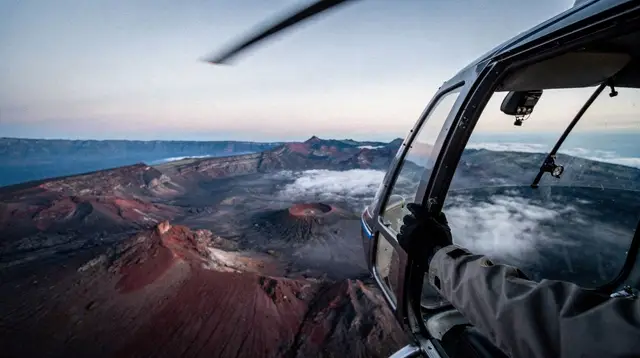
Staying on the west side puts you closest to the harbors that most sunset sails and snorkel-plus-cruise combinations leave from, and it is the natural base if a helicopter tour over the West Maui Mountains or a day on the water is high on your list. A guided overview of this coast, hitting several of its stops in one outing, is a reasonable way to get oriented in your first day or two — the West Side Maui Highlight Tour covers a run of the coast’s landmarks without you having to plan the stops yourself.
South Maui: Kihei, Wailea, and Makena
The south side runs from the harbor town of Maalaea down through Kihei and into the resort district of Wailea-Makena. Like the west side, it sits in a rain shadow and stays dry and sunny for most of the year. Kihei is the more budget-friendly, low-key stretch — a run of condos rather than resorts, three consecutive beach parks known as Kamaole I, II, and III, and a generally more casual, local feel. Wailea is the polished end of the same coast: a run of large resorts along a paved 2.5-mile coastal path, with calm, protected swimming for most of its length.
South of the last Wailea resort, Makena opens up into wilder ground — Big Beach (Oneloa) is one of the most striking stretches of sand on the island, but its shorebreak is powerful enough to injure people every year, so it is not a beach for small children or weak swimmers. The road ends a few miles further at La Perouse Bay, on the island’s most recent lava flow, where the pavement simply stops.
South Maui’s calmer water and shorter run to Maalaea make it the natural base if snorkeling and boat trips to Molokini or Turtle Town are your priority — Maalaea harbor is the closest departure point to Molokini crater on the island. It is also the stronger choice in winter for shore-based whale watching, since the Auau Channel is visible from much of this coast. If you want the water experience without renting your own gear, a small-group outing like the Epic Small Group Whale Watch departs from this side of the island during the December-to-April season.
What both coasts have in common — and one thing neither can sell you
Whichever coast you choose, two things apply everywhere in Maui. First, prices you see when searching are shown before tax: expect roughly 18% in combined state and county transient accommodations tax added at checkout, and check separately for a daily resort fee, which is common at both Kaanapali and Wailea properties and is charged per night on top of the room rate and the tax. A $350 advertised rate can land closer to $450 once both are added. Our guide to Maui resort fees and lodging taxes breaks down what that fee typically covers.
Second — and this is the trap worth naming directly — no resort on either coast can sell you a private beach. Every beach in Hawaii is public land up to the high-water mark, by law, including the sand directly in front of Wailea’s and Kaanapali’s most expensive properties. Hotels are required to provide public beach access even where their grounds run to the waterline, which means the stretch of sand outside your lanai belongs to everyone, not just guests. It is worth knowing this before you book: a “beachfront” listing buys you proximity and often a nicer pool deck, not exclusivity. Our explainer on Hawaii’s public beach law covers where that rule comes from and what it means in practice.
What about Central Maui, Upcountry, or Hana?
Kahului, where the airport sits, and neighboring Wailuku, the county seat, are not resort towns — there is no beach strip here, and most visitors pass through rather than stay. A night in Kahului can make sense if you land late or have an early flight out, but it is not a base for the trip itself.
Upcountry, on the slopes of Haleakala around Kula and Makawao, has a scattering of inns, cottages, and farm stays with genuine charm — cooler air, lavender and goat farms, views down over both coasts — but it sits well above and away from any beach, and it is not close to anything else on the island. Hana, at the far end of the coastal highway, has a handful of small properties too, but the drive from Paia alone runs roughly two and a half hours each way without stops, and Hana has no supermarket, no shopping, and almost no nightlife.
Both are worth a visit. Neither is worth building a first trip’s lodging around: better to stay on the west or south coast and drive to each as a day trip, which is also how most guided tours reach them — a route to Hana with someone else driving, for instance, removes the parking and reservation logistics of the drive, which the Private Halfway to Hana Tour is built around.
One base or two?
For a trip of a week or less, splitting your stay between the west and south coasts usually costs more than it’s worth: packing, checking out, driving with your luggage, and checking back in can eat half a day that would otherwise go to the water or a trail. It only tends to make sense on trips of ten days or longer, where each half of the stay is still long enough to settle in. For how many nights to plan overall, see our guide to how many days you need in Maui; for the logistics of getting around once you’ve picked a coast, see our rental car guide and self-driving versus guided touring.
Whichever coast you land on, a rental car booked with your flight — not on arrival — is close to essential; the Maui Bus reaches the main towns but not the Haleakala summit or the Hana Highway. And a sunset cruise leaving from either coast’s harbor is a low-effort way to spend your first evening getting oriented to the water you’ll be looking at for the rest of the trip, whether that’s the Maui Sunset Cocktail Cruise from the west side or an equivalent departure from Maalaea if you’ve based yourself south.
For timing your trip around whale season or the driest months, see our best time to visit Maui guide; for what to pack once you’ve settled on a base, see the Maui packing list; and for entry paperwork before you book anything, check ESTA and travel document requirements. For the day you’ll want to drive the coastal highway itself, our one-day Road to Hana itinerary lays out the stops in order.
Choosing where to stay in Maui: your questions answered
Should I stay in West Maui or South Maui?
Both work well for a first visit. West Maui (Kaanapali, Napili, Kapalua) puts you closer to the boat harbors for sunset sails and inter-island ferries, while South Maui (Wailea, Kihei) tends to be drier and closer to Molokini snorkel departures from Maalaea. Neither is objectively better — it depends on your flight arrival time and which activities you prioritize.
Is it worth staying in more than one area during a first trip?
For a week or less, most travelers are better off picking one base and driving out for day trips than packing and re-checking into a new hotel partway through. Splitting a short trip between two regions can cost you a half day of driving and packing that could otherwise be spent on the water or on the trail.
Can I stay in Lahaina right now?
Some lodging in and around Lahaina has reopened since the August 2023 fire, but the town is still rebuilding and Front Street is not what it was. Check current status through official Maui County sources before booking, and Kaanapali, just north, remains fully open with its full range of resorts.
Does a beachfront resort in Wailea or Kaanapali mean a private beach?
No. Every beach in Hawaii is public up to the vegetation line or the high-water mark, including the sand in front of Wailea and Kaanapali resorts. Hotels are required to provide public beach access even when their property line runs to the water.
Should I stay in Kahului or Wailuku instead?
Central Maui is worth knowing about but not worth building a stay around. Kahului is where the airport and rental car counters are, and Wailuku is the county seat — useful for an early flight or a quick errand, not a beach base with resort infrastructure.
Is Upcountry or Hana a good base for a first trip?
Not for a first visit. Upcountry (Kula, Makawao) and Hana have real charm and a scattering of inns and cottages, but they sit far from the beach resorts and from each other — Hana alone is roughly two and a half hours from Paia without stops. Visit both as day trips from a west- or south-side base instead.
How much does a resort actually cost once taxes and fees are added?
Add roughly 18% in combined state and county lodging tax to the advertised nightly rate, and check for a separate daily resort fee, which is common at both Kaanapali and Wailea properties and is never included in the rate shown when you search.
Do I need a rental car if I stay in a resort area?
Almost certainly yes. The Maui Bus connects some towns but does not reach the Haleakala summit or the Hana Highway, and even staying at a full-service resort, you will want a car for grocery runs, sunrise departures, and exploring beyond your hotel’s beach.
Tours for a first visit on GetYourGuide
Verified deep-linked GetYourGuide tours. Book through these links and we earn a small commission at no cost to you.
GetYourGuide does not provide a product photo for this activity — the image shows the meeting point, photographed by us.