Maui Packing List: What to Bring (and the Sunscreen Rule Everyone Misses)
What's the one thing I really can't get wrong on my Maui packing list?
Sunscreen. Maui County bans the sale, distribution, and use of sunscreen containing oxybenzone, octinoxate, or octocrylene, so pack a mineral, zinc-based sunscreen only and check the label before you leave home, not after you land.
The sunscreen rule that changes how you pack
Most Maui packing lists read like packing lists for any beach trip, and most of them get one thing wrong: the sunscreen. Since October 1, 2022, Maui County has banned the sale, distribution, and use of sunscreen, and any personal care product, containing oxybenzone, octinoxate, or octocrylene. That third word matters more than the first two. It’s not enough to avoid buying a chemical sunscreen on the island. Bringing your usual bottle from home and using it in the water, on a public beach, or even by the pool at your hotel is against the same rule.
This isn’t a minor local quirk to shrug off. Hawaii’s reefs sit under real pressure from warming water and runoff, and the county’s position is that these three chemicals contribute measurably to coral damage. Enforcement in practice usually means a lifeguard or tour crew asking you to switch, or a resort simply not selling anything else at the gift shop, but the honest approach is to arrive with the right product already in your bag rather than gamble on being asked.
So before anything else on this list: check the active ingredients on every sunscreen, lip balm with SPF, and daily moisturizer with SPF you own. Look for zinc oxide as the active ingredient, ideally as the only one. If a label says “reef-safe” or “reef-friendly” on the front but lists oxybenzone or octinoxate in the ingredients on the back, it fails the actual rule; those terms aren’t regulated, so the front of the bottle can’t be trusted on its own.
What to actually pack: the core list
The rest of this guide breaks the list into the categories that matter for Maui specifically, not a generic beach-vacation template. The island’s own contrasts, wet windward coast versus dry leeward coast, warm sea level versus a near-freezing volcanic summit, drive most of the real decisions.
Sun and reef protection
- Mineral (zinc oxide) sunscreen, SPF 30 or higher, enough for the length of the trip. Reapplication after every swim burns through a bottle faster than people expect.
- A zinc stick for the face and ears, easier to reapply without getting product in your eyes on a boat.
- UPF sun shirt or rash guard — cuts down how much sunscreen you need to reapply, and it’s the more comfortable choice for a full day on a snorkel boat or during a group surf lesson in the whitewater at Lahaina or Kihei.
- A wide-brim hat that survives wind on a boat deck, and polarized sunglasses with a strap.
- Aloe or after-sun gel, in case reapplication slips on day one.
Swimwear and water gear
- Two swimsuits, so one is always dry. Humidity means a wet suit rarely dries overnight.
- A quick-dry rash guard for both sun coverage and comfort during longer water time, including a morning boat trip like an early-season whale-watching cruise with a marine naturalist aboard.
- Water shoes with closed toes, useful on the lava-rock entries common along the south and west coasts and at tide pools anywhere on the island.
- A dry bag, even a small one, for a phone and keys on any boat outing.
- Snorkel mask and fins are optional to pack; most boats and shops rent gear, and a dedicated guide covers when it’s worth bringing your own.
Clothing for the coast
- Light, breathable layers: shorts, sundresses, and short-sleeve shirts for daytime; a light long-sleeve layer for evenings, since trade winds pick up after sunset even in summer.
- One packable rain layer, especially for anyone heading toward the windward side — Paia, Hookipa, or the Hana Highway see rain far more often than Kihei or Lahaina, in any season.
- A light sweater or fleece, useful on an evening boat trip. A sunset cocktail cruise off the Lahaina coast cools down fast once the sun is down and the boat picks up speed.
- One outfit a notch above beachwear for a dinner reservation; casual is the island norm, but most restaurants expect shirts and closed shoes.
The temperature swap: beach heat vs. summit cold
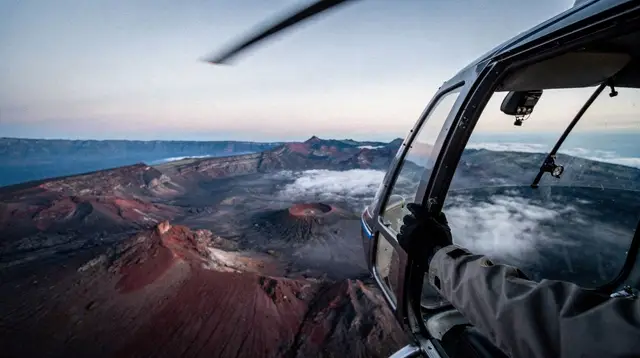
This is the contrast that catches first-time visitors off guard, and it’s worth naming clearly even though it isn’t the focus of this list. A day that starts at 26°C (about 78°F) on a Kihei beach can end, a few hours later and about 3,000 meters higher, near freezing at the Haleakala summit before sunrise. The two environments need genuinely different clothing, not just “one more layer.” Because getting that summit layering wrong is its own common mistake, with its own gear list, it gets a dedicated guide rather than a paragraph here: see what to wear at the Haleakala summit if a sunrise or sunset visit is anywhere in your plans. What belongs in this list is simpler: if the summit is on your itinerary at all, don’t leave your warmest layer at home just because the rest of the trip looks tropical.
Footwear
- Sandals or flip-flops for the beach, the condo, and casual daytime wear.
- Closed-toe walking shoes for short trails, including stops along the Road to Hana and the paved sections near waterfalls.
- Water shoes, separate from sandals, for anywhere with lava rock or coral rubble underfoot.
- One pair of real shoes for a nicer dinner or an evening out.
Trail conditions on the island’s wetter side turn muddy fast after rain, which is worth knowing before deciding your walking shoes can double as your only pair.
Practical extras
- Reusable water bottle — tap water is safe across the island, and a full bottle matters more on a hot trail or a long stretch of the Hana Highway than people expect.
- Insect repellent, mainly for dusk near East Maui’s wetter valleys and any standing water; it’s a minor concern at most beach resorts.
- Basic first-aid items: adhesive bandages, blister protection, and motion-sickness tablets or wristbands if a boat trip like a Molokini-bound outing or a stop at the Maui Ocean Center is on the itinerary — the channel crossing is often the roughest water of the day, and treating it before boarding works far better than after.
- A portable phone charger, useful on a long day covering the Road to Hana or the full island circuit, where charging stops are scarce.
- A dry pouch or ziplock for anything electronic that goes near saltwater or a paddleboard, such as during a rental like the stand-up paddleboard rental in South Maui’s calmer bays.
Quick packing list by category
| Category | Pack this | Skip this |
|---|---|---|
| Sun protection | Mineral (zinc) sunscreen, zinc stick, UPF shirt | Any sunscreen listing oxybenzone, octinoxate, or octocrylene |
| Swimwear | Two swimsuits, quick-dry rash guard | A single suit you expect to wear wet, day after day |
| Footwear | Sandals, water shoes, closed-toe walking shoes | Heavy sneakers as your only pair |
| Layers | Light rain shell, one warm layer for boats | A full winter coat “just in case” |
| Extras | Reusable bottle, dry bag, motion-sickness aid | Glass containers, single-use plastic bags in bulk |
What to leave home
- Any sunscreen, lotion, or bug spray listing oxybenzone, octinoxate, or octocrylene — check every bottle, including combination products like a tinted moisturizer with SPF.
- Heavy cotton clothing that stays damp for hours in island humidity.
- A full winter coat bought specifically for a Haleakala sunrise; a proper layered system, covered in the Haleakala summit clothing guide, does the job in far less suitcase space.
- Formal wear beyond one outfit; the island’s dress code stays casual almost everywhere, including most luau evenings.
- A rigid daily itinerary printed and packed alongside travel documents. Weather on the windward side shifts plans more often than most visitors expect, and flexibility matters more than a laminated schedule.
Documents and details this list doesn’t cover
This guide focuses on what goes in the suitcase, not the paperwork that gets you onto the plane. Entry requirements, including the ESTA process for visa-waiver travelers, are covered separately in the Maui travel requirements guide, since that’s a documents question, not a packing one. If a rental car is part of the plan, confirming that before arrival matters more than any single item on this list; see the guide on whether you need a rental car in Maui if that decision is still open.
Timing your packing to the season
What belongs in the suitcase shifts slightly with when you’re visiting, more because of activity plans than temperature swings. The island runs on two seasons rather than four: a drier stretch from May to October and a wetter one from November to April, detailed month by month in the Maui weather guide. A rain shell earns more space in a winter suitcase, particularly for anyone spending time on the windward coast. Winter also brings humpback whale season, peaking January through March in the Auau Channel; anyone planning a cruise like the one above should check the best time for whale watching guide and pack the warmer layer a boat deck calls for even when the beach itself stays warm. From June through November, the central Pacific’s hurricane season runs in the background; it rarely disrupts a trip, but the hurricane season guide is worth a glance if travel falls in that window.
Packing for specific plans
A trip built around the water leans harder on rash guards, reef-safe sunscreen, and a dry bag, and lighter on shoes. A trip built around hiking and the Road to Hana leans the other way: real walking shoes, a rain shell, and a portable charger matter more than a second swimsuit. Anyone combining both, a common shape for a first Maui trip, does better packing for water days and land days separately rather than assuming one outfit style covers everything. If surfing is part of the plan, lessons in Lahaina or Kihei usually supply boards, but a well-fitted rash guard from home is still worth the suitcase space; the best beginner surf spots guide has more on where those lessons run.
Frequently asked questions about packing for Maui
Can I bring my regular sunscreen from home and just not buy more in Maui?
No. The county ban covers use, not only sale, so a chemical sunscreen you packed yourself is still against the rule the moment you apply it in the water or on a public beach. Check the active ingredients before you pack, not after.
What counts as reef-safe sunscreen in Maui?
In practice, a mineral sunscreen listing zinc oxide as the active ingredient, with no oxybenzone, octinoxate, or octocrylene on the label. Read the ingredients list, not the front-of-bottle marketing, since “reef-safe” and “reef-friendly” are not regulated terms.
Do I need warm clothes for a beach vacation in Maui?
Yes, if any part of your itinerary includes the Haleakala summit, where dawn temperatures sit near freezing year-round. For the beach towns themselves, light layers cover the evenings; the summit gear question has its own answer in a dedicated guide.
How many swimsuits should I pack for Maui?
Two is realistic for most trips, since ocean and pool time happen most days and a wet suit takes hours to dry in humid air. A quick-dry rash guard extends any single suit’s usable days between washes.
What shoes do I actually need in Maui?
Closed-toe water shoes for lava-rock entries and tide pools, comfortable walking shoes for the Road to Hana’s short trails, and one pair of real shoes for dinner. Flip-flops cover the beach and the condo, not the trails.
Is bug spray necessary in Maui?
Useful rather than critical. Mosquitoes concentrate at dusk near standing water and in the wetter valleys of East Maui, so a small repellent covers those windows without needing to be worn all day at the beach.
Should I pack snorkel gear or rent it?
Renting or borrowing a boat’s gear covers most one-off outings fine. A dedicated guide to snorkeling gear rental in Maui covers when owning your own mask makes sense, mainly for repeat snorkelers or anyone with a fit issue with shared gear.
What should I leave at home when packing for Maui?
Any sunscreen, bug spray, or lotion containing oxybenzone, octinoxate, or octocrylene, heavy cotton clothing that won’t dry between swims, and a single winter jacket packed “just in case” when a lighter layered system covers both the coast and a summit sunrise.
Tours for a first visit on GetYourGuide
Verified deep-linked GetYourGuide tours. Book through these links and we earn a small commission at no cost to you.
GetYourGuide does not provide a product photo for this activity — the image shows the meeting point, photographed by us.