What to Wear at Haleakala Summit: Beating the Cold at 10,000 Feet
What should I wear to Haleakala summit?
Dress in layers as if for a cold, windy mountain morning: a base layer, a warm mid-layer (fleece or puffy jacket), and a windproof shell, plus a hat, gloves, and closed shoes. Pre-dawn temperatures at the 3,055-meter summit often sit near 0°C with wind chill, regardless of how warm the beaches feel below.
Why the summit feels like a different island
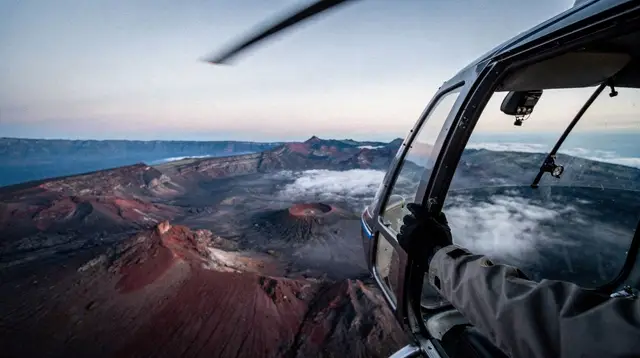
Maui is a tropical island, and most visitors pack for exactly that: shorts, sandals, a swimsuit, maybe a light rain jacket for the windward coast. Then they drive up to Haleakala for sunrise and step out of the car into wind and cold that feels like it belongs to a different climate entirely, because in a real sense it does. The summit sits at roughly 3,055 meters, close to 10,000 feet, and altitude changes temperature at a predictable rate no matter how warm the coastline is at sea level. The volcano itself is dormant, not the source of the cold — the cold comes from elevation and wind, and it doesn’t care that you can see the ocean from the parking lot.
This page is only about what to wear. If you still need to lock in the mandatory sunrise time slot, that process is covered separately in how the Haleakala sunrise reservation works. If you’re planning to walk down into the crater itself, the trail options and distances are covered in the Haleakala crater hiking trails guide. Here, the only question is what to put on your body so the cold doesn’t ruin a visit you may have booked months in advance.
The actual numbers
| Time / conditions | Typical summit temperature | What it feels like with wind |
|---|---|---|
| Pre-dawn (sunrise visit) | 1°C to 7°C | Can feel at or below freezing |
| Midday, clear and calm | 10°C to 16°C | Comfortable with a light layer |
| Late afternoon / sunset | 5°C to 12°C | Cool, sharper once the sun drops |
| Any time, strong wind | Add a 5–10°C wind chill drop | Noticeably colder than the thermometer |
Compare that to a winter afternoon in Kihei at around 26°C, and the contrast makes sense: you are not just visiting a different part of the island, you are visiting a different altitude band entirely, and the best time to visit Maui for beach weather has almost no bearing on what the summit forecast will do on any given morning.
The layering system that actually works
Layers beat a single heavy coat, because you’ll want to shed clothing on the way back down to the car and possibly again by the time you’re back at sea level. Think of it in three parts.
Base layer. A long-sleeve top made of a synthetic or wool material sits against your skin and manages moisture. Cotton is the one fabric to avoid here — it holds moisture and cools you down once you start moving or if it’s damp from mist, which is common at the summit at dawn.
Insulating mid-layer. A fleece pullover or a lightweight puffy jacket goes over the base layer. This is the piece doing most of the warmth work, and it should be substantial enough that you’d wear it on a genuinely cold day anywhere else in the world, not just a light cardigan packed as an afterthought.
Wind and weather shell. A windproof or waterproof outer layer, even a simple packable rain shell, cuts the wind chill dramatically. The summit is frequently windy, and wind is what turns a merely cool morning into one that stings. If you only pack one “extra” item beyond your everyday travel wardrobe, make it this one.
Below the waist, long pants make a real difference over shorts, and a pair of warm socks with closed shoes matters more than people expect. Flip-flops and sandals are common footwear failures at sunrise — feet get cold fast when they’re exposed and still, which is exactly what happens while waiting at an overlook.
Don’t forget the extremities
Hands, ears, and head lose heat faster than the torso, and they’re also the parts people forget to cover. A packable hat or beanie and a pair of gloves take up almost no luggage space and make a genuine difference standing still in the wind for 30 minutes before the sky lightens. A scarf, buff, or even a wool neck gaiter helps too, since wind at the summit tends to come in gusts rather than a steady breeze.
Sunrise versus sunset: does the plan change?
The core answer is no — you still need real layers for either visit — but the details shift slightly.
Sunrise means arriving in full darkness, often well before the mandatory entry window opens between 3 a.m. and 7 a.m., and standing outside for the coldest part of the 24-hour cycle, right before dawn. This is the coldest possible time to be at the summit, and it’s also the one most people underestimate, because they left their hotel in Lahaina or Kihei in warm night air an hour and a half earlier. Anyone doing a guided version of this, such as a sunrise guided bike tour, should still bring their own warm layers rather than count entirely on gear the operator might supply — check what’s included when booking. A guided sunrise bike descent with support and equipment provided typically issues a jacket for the ride down, but you’ll still be standing in the cold beforehand waiting for first light.
Sunset starts in daylight, so the ground and air have had hours to warm up, and the walk to an overlook feels far more forgiving than a 4 a.m. arrival. But the sun dropping below the horizon brings a fast temperature swing, and wind at the summit doesn’t take a break just because it’s evening. Guests on a guided evening tour to the summit with snacks and photo stops along the way often notice the temperature difference most in the final twenty minutes, right as the light fades and the wind picks up. A more intimate option, a small-group private sunset outing timed to the evening light at the summit, still means standing outdoors in that same cooling air, so the layering advice doesn’t change just because the tour is private.
There’s also a lower-elevation alternative for travelers who want the upcountry cold-weather feel without the full summit ascent: a sunset walk with llamas on Haleakala’s upper slopes sits well below the true summit but still climbs into cooler upcountry air, so a mid-layer and a light jacket are worth bringing along even there.
For a fuller comparison of the two experiences beyond clothing — crowd levels, light quality, logistics — see the dedicated sunrise versus sunset at Haleakala guide, and if the goal is stargazing rather than a colored sky, the same cold-weather packing list applies to an after-dark observatory visit.
What to actually pack, checklist style
- Long-sleeve base layer top (avoid cotton)
- Fleece or lightweight puffy jacket
- Windproof or waterproof outer shell
- Long pants, not shorts
- Warm socks and closed shoes, not sandals
- Hat or beanie that covers the ears
- Gloves, even a thin pair
- A buff, scarf, or neck gaiter (optional but useful in wind)
- A car blanket for the ride, if you have one packed anyway
- Sunglasses for the glare once the sun is up, and sunscreen for later in the day — Maui County requires mineral sunscreen only, since chemical sunscreen use is banned countywide
If you’re staying in a beach-town hotel and packed light for the whole trip, don’t assume the resort gift shop will have this gear; it usually doesn’t. Building a warm-weather-plus-cold-summit wardrobe is worth planning before you leave home, and it fits naturally into a broader Maui packing list built around the island’s actual range of microclimates rather than a single tropical assumption.
What happens once you’re back down
The layering logic works in both directions: what keeps you warm at the summit becomes too much the moment you descend a few thousand meters back toward the coast. Plan to peel off the shell and mid-layer as you drive down, since the temperature climbs noticeably within the first 20 to 30 minutes of the descent along Haleakala Highway. A day that starts at near-freezing at the crater rim can end at 25°C or warmer back in Kula or further down toward the coast, so having somewhere to stash the extra layers — a day bag or the car itself — matters as much as bringing them in the first place.
If cycling down from the summit is part of your plan, note that most downhill routes now start below the summit itself, not at the very top, and cold-weather gear needs matter differently on a bike than standing still at an overlook — see downhill bike tour safety tips and the self-guided option without sunrise timing for what riders specifically need to wear and carry. For travelers driving up on their own, the Haleakala parking and access guide covers what else to expect at the entrance gates, separate from the clothing question here.
A farm-based alternative for cool-weather scenery without the full summit cold: a guided upcountry farm visit with alpacas and hands-on activities sits in the cooler Kula air but stays well short of summit temperatures, so a light jacket is usually enough there rather than the full layering system above.
The one mistake to actually avoid
The single most common error isn’t forgetting a specific item — it’s assuming that because Maui is a tropical island, no part of the trip requires cold-weather clothing at all. That assumption is what leaves people shivering in a rental car at 4 a.m. in the Haleakala National Park parking lot, wearing the shorts and t-shirt they had on the beach the afternoon before. The volcano is dormant and the island stays warm at sea level, but the summit’s temperature is a matter of physics, not tropical branding, and it applies every single day of the year, in every season. Whichever Maui itinerary includes a summit visit, build in the extra bag of warm layers as a fixed line item, not an optional extra.
Frequently asked questions about Haleakala summit cold weather
How cold does it actually get at the Haleakala summit?
Overnight and pre-dawn temperatures at the summit commonly drop to somewhere between 1°C and 7°C, and wind chill can push the felt temperature toward or below freezing. Daytime highs in calm weather might reach the mid-teens Celsius, but wind changes that fast.
Can I just wear what I packed for the beach?
No. Beachwear, shorts, and sandals are not enough at the summit at any hour before mid-morning. The summit is roughly 3,000 meters higher than the coast, and the temperature drop is real, not a tourist exaggeration.
Do I need gloves and a hat for a sunrise visit?
Yes, both are worth packing. Hands and ears lose heat fastest in wind, and standing still outdoors for 30 to 60 minutes waiting for sunrise makes the cold more noticeable than a short walk would.
Is the sunset visit as cold as sunrise?
It’s usually a little milder because the ground has had all day to warm up, but wind at the summit can still make sunset feel sharply cold, especially once the sun drops and the light fades.
What shoes work best at the summit?
Closed, sturdy shoes or trainers. Sandals and flip-flops leave feet exposed to wind and cold rock, and the paved overlooks and short paths near the visitor centers are uneven in places.
Should I bring a blanket or just extra clothing?
Extra clothing layers pack smaller and work better than a blanket, since you’ll likely be standing, walking between overlooks, or riding in a car. A packable blanket for the car ride is a nice extra, not a substitute for warm layers on your body.
Can I rent warm clothing near the summit?
No shops or gear rental exist inside the park itself. Some guided sunrise and bike tour operators provide jackets or ponchos as part of the package, which is worth checking when booking, but a self-drive visit means bringing your own layers from where you’re staying.
What temperature should I check before I go?
Look at the Haleakala summit weather rather than the Kahului or Kihei forecast; they are entirely different microclimates on the same island. Park rangers and the National Weather Service post a separate summit forecast that accounts for wind chill.
Haleakala volcano tours on GetYourGuide
Verified deep-linked GetYourGuide tours. Book through these links and we earn a small commission at no cost to you.
GetYourGuide does not provide a product photo for this activity — the image shows the meeting point, photographed by us.