Road to Hana: Guided Tour or Self-Drive?
Should I drive the Road to Hana myself or book a guided tour?
A guided van suits travelers who want to look at the scenery instead of the pavement, especially on a route with hundreds of one-lane bridges and blind curves. A self-drive rental gives more control over timing and stops but means one person shoulders a full day of demanding driving. Both take the entire day either way.
Two ways to cover the same 100 kilometers
Roughly 100 kilometers separate Paia from Hana, threading through about 620 curves and across 59 bridges, most of them one lane wide. Every visitor to Maui who wants to see this stretch of coast faces the same first decision, long before picking a specific stop list or checking the weather: drive it yourself in a rental car, or hand the wheel to someone who does this route for a living. Neither choice changes the distance, the number of curves, or the fact that the day swallows most of your daylight hours. What changes is who does the work of driving, and how much say you keep over the pace.
This page is about that one decision. For the stop-by-stop route, see Road to Hana in One Day. For a map of where the waterfalls, beaches, and lookouts actually sit, see Road to Hana Map. For gas stations and practical driving notes, see Road to Hana Driving Tips.
What a self-drive day actually asks of you
Renting a car and driving the Hana Highway (360) yourself is the most common way visitors see this coast, and for good reason: you decide where to stop, for how long, and whether to skip a waterfall that already has ten cars parked at its trailhead. If a fruit stand or a viewpoint catches your eye, you pull over. If the group wants to linger over lunch in Paia or push straight through, that is your call.
The trade-off is fatigue. The road narrows to one lane at nearly every bridge, curves come without much warning, and oncoming traffic requires constant negotiation over who yields. A driver doing this alone, there and back, is working the entire day, not just admiring scenery between turns. Passengers can rotate through the driver’s seat if more than one person in the group is comfortable with the road, but many families and couples travel with only one confident driver, which concentrates the strain.
Self-drive also means solving your own logistics: fueling up before you leave (there is no gas station between Paia and Hana), tracking daylight so the return trip after dark on unlit curves doesn’t become a problem, and deciding in the moment whether a rain-swollen stream or a full parking lot means skipping a planned stop. Some travelers find that freedom energizing. Others find it stressful on top of an already long day.
A middle option exists for self-drive travelers who want structure without a live guide: a GPS-narrated audio tour that plays commentary about each stop as you approach it in your own rental. It keeps you behind the wheel and on your own schedule, while still pointing out what you might otherwise drive past.
What a guided tour changes
Booking a guided tour removes the driving from your day entirely. A local driver who knows the road’s rhythm — where the tour buses cluster, which bridges back up at what hour, which waterfall trail is muddy after a morning shower — handles the navigation while you watch the coastline instead of the double yellow line. For anyone anxious about one-lane bridges, blind curves, or a full day of concentrated driving, this is the single biggest reason to book a guided tour over self-driving.
Guided vans typically follow a fixed loop of stops chosen by the operator for reliable parking and consistent timing, which can mean a different set of waterfalls than one you’d choose yourself, though usually overlapping heavily with the best-known ones. Some guided tours include lunch, which removes one more thing to plan; others build in a stop at a farm or an extra detour, like alpacas along the way, that a self-drive itinerary would need to research and add manually.
What a guided tour does not remove is the length of the day. Guides still leave early, often before sunrise light reaches the west side, and return in the early evening — the same span a self-drive trip requires. A tour is not a shortcut through the route; it is a way of covering the same distance without holding the wheel yourself.
The trade-off is control. A guided tour runs on the operator’s schedule and stop list. If you’d rather linger twenty extra minutes at one waterfall and skip the next stop, that decision usually isn’t yours to make on a group tour. If the group’s interests diverge — one person wants more hiking, another wants more beach time — a fixed guided itinerary can’t flex to match, where a self-drive day can.
Weighing the two: a side-by-side view
| Factor | Self-drive | Guided tour |
|---|---|---|
| Who drives | You (or a rotating driver in your group) | A local driver, all day |
| Control over stops and pace | Full control | Fixed itinerary set by the operator |
| Driving fatigue | Concentrated on one or two people | None for any passenger |
| Cost structure | Rental car (already needed for the trip) + fuel + park fees | Per-person tour price, often including lunch |
| Flexibility to turn back early | Yes, at any point | No, follows the operator’s schedule |
| Local route knowledge | Self-researched in advance | Built into the guide’s experience |
| Gas stations along the way | None between Paia and Hana either way | None — a non-issue since the operator handles fuel |
| Group size flexibility | Limited to your rental car’s seats | Fits solo travelers and larger groups alike |
Who tends to prefer each option
Confident drivers traveling as a couple or with one clearly willing driver often lean toward self-drive, especially if they already have a rental car booked for the rest of their Maui trip and want to stop wherever curiosity takes them. Photographers and travelers who want to linger at a specific waterfall or black-sand beach without a bus schedule pressing on them also tend to prefer driving themselves.
Solo travelers, groups without a confident driver, and anyone anxious about narrow bridges or long stretches of curves tend to prefer a guided tour. So do travelers who’d rather spend the day looking out the window than watching the road, and those who want lunch and commentary handled without extra planning. Multi-generational groups with kids or older relatives often find a guided van’s steadier pace and built-in stops easier to manage than a self-drive itinerary that requires someone in the group to stay focused on driving all day.
Neither option is the “correct” one — both cover essentially the same coast. The honest comparison is really about what kind of day you want: one where you make every call, or one where someone else absorbs the driving so you can focus on the scenery.
What doesn’t change no matter which you pick
A few facts apply regardless of how you choose to travel this road, and worth stating plainly before you book anything:
- There is no gas station between Paia and Hana. Self-drivers fuel up in Paia or Kahului before setting out; guided operators handle their own fueling, but the absence of a station along the route itself doesn’t change.
- The day takes the whole day. A guided tour does not compress the route into a half-day outing. Expect an early departure and a return in the early evening either way.
- Hana itself is a small village, not a resupply point. No supermarket, no mall, limited hours at its one small store — true whether you arrive in your own car or a tour van.
- Weather and closures affect both equally. Waianapanapa State Park requires a timed reservation for non-residents regardless of how you arrive, and the Kipahulu pools close to swimming after heavy rain no matter who is driving.
Making the call before you book anything else
Because this choice affects whether you need a rental car for the day at all, it’s worth deciding before locking in other pieces of your trip. If you’re leaning toward self-drive, confirm your rental agreement doesn’t restrict the roads you plan to use, and read the fuel and driving specifics in Road to Hana Driving Tips before you go. If a guided experience sounds like the better fit, a van tour with lunch included handles the day start to finish, while an audio-guided self-drive option splits the difference for travelers who want narration without giving up the wheel.
For travelers who want a driver but also want a specific highlight — a lesser-known waterfall away from the crowds, or an alpaca farm stop along the way — some guided itineraries build those extras into the day, which is worth checking against a standard tour before you compare prices.
a full-day guided van tour with lunch included removes the driving entirely and is worth booking if fatigue or narrow bridges are your main hesitation.
a GPS-narrated audio tour for your own rental car keeps you behind the wheel while still flagging the stops worth a look.
a guided tour that adds a lesser-visited waterfall stop suits travelers who want a guide’s local knowledge plus something beyond the standard highlights.
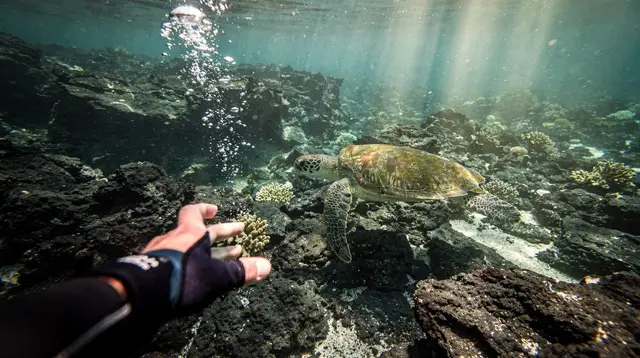
a shorter guided outing covering the black-sand beach and turtle-watching without the full drive to Hana works for anyone who wants a taste of the route without committing to the entire day.
Whichever you choose, block out the whole day on your itinerary, not just the morning. See 3 Days in Maui: The First-Timer’s Itinerary or Seven Days in Maui for where a Hana day fits into a longer trip, and Do You Need a Rental Car in Maui? if you’re still deciding whether to rent a car at all for your stay. Travelers without a car for the rest of their trip will find a guided tour the simpler path, since Maui Bus confirms the Maui Bus does not reach this route.
Road to Hana: guided or self-drive, common questions
Is the Road to Hana safe to drive yourself?
Yes, for an alert driver used to narrow, winding roads. The difficulty comes from fatigue and the sheer number of one-lane bridges and blind curves over a full day, not from any special skill requirement.
Do guided tours stop at the same waterfalls as a self-drive trip?
Guided operators usually visit a curated set of stops chosen for parking availability and reliability, which can differ from a self-planned list. A self-drive trip lets you adjust stops in real time, within what parking and daylight allow.
Is a guided tour less tiring than driving myself?
For the driver, yes. Passengers on a guided van can watch the road, nap between stops, or take photos without pulling over, while a self-driving group’s designated driver rarely gets that break.
Can I turn back partway if I book a guided tour?
No. A guided tour follows a fixed itinerary and schedule set by the operator, while a self-drive trip can turn around or cut the day short at any point if weather, energy, or interest changes.
Is there a gas station on the Road to Hana with a guided tour?
No. There is no gas station between Paia and Hana regardless of who is driving. Guided vans are fueled and provisioned by the operator before departure, which removes the concern for passengers, but the road itself still has none.
Which option costs less?
A self-drive day usually costs less out of pocket once you already have a rental car for the trip, since it only adds fuel and park fees. A guided tour costs more per person but bundles a knowledgeable driver, lunch on some tours, and no car-return deadline to worry about.
Do I still need to plan a full day if I book a guided tour?
Yes. A guided tour does not shorten the route or the driving time; it only changes who holds the wheel. Guided days typically run from early morning to early evening, the same span a self-drive trip requires.
Tours worth comparing on GetYourGuide
Verified deep-linked GetYourGuide tours. Book through these links and we earn a small commission at no cost to you.
GetYourGuide does not provide a product photo for this activity — the image shows the meeting point, photographed by us.