Maui Tropical Plantation Tour: What to Expect in Central Maui
What is the Maui Tropical Plantation and where is it?
It's a working agricultural park in central Maui, between Kahului and Wailuku, open to the public with walking paths, a tram tour, a farm-to-table restaurant, and a market. It sits a short drive from Kahului Airport, which makes it a practical stop on an arrival or departure day rather than a destination that needs its own trip up to Upcountry.
A working farm in the isthmus, not an Upcountry stop
The Maui Tropical Plantation sits in central Maui, on the flat isthmus between the West Maui Mountains and Haleakala, a few minutes off the Honoapiilani Highway between Kahului and Wailuku. That location matters more than it sounds: it’s easy to assume any farm-themed attraction on Maui belongs to the cooler, greener slopes of Upcountry around Kula, and this one doesn’t. It’s close to sea level, close to the airport, and close to the rental car counters — which makes it a logistics-friendly stop rather than a scenic drive up the mountain.
If you’re picturing lavender fields and goat farms at 900 meters, that’s Upcountry Farm Tours Near Kula, Maui, a separate part of the island with a separate climate. The plantation here grows tropical crops at low elevation — pineapple, sugarcane relics, banana, papaya, taro, and a working coffee patch that’s smaller and less of a draw than the dedicated operations covered in Maui Coffee Farm Tour: Visiting the Haleakala Coffee Estates. If your interest is a curated food crawl through restaurants and stalls, that’s a different kind of outing too, covered separately in Food Tour in Lahaina Town: What to Expect, which is set in West Maui’s town core rather than on a farm.
What’s actually on the property
The plantation operates as a public agricultural park with a handful of distinct pieces:
- Walking grounds and gardens. Free to enter, flat, shaded in places, with labeled crops and demonstration plots. You can walk it in 20 to 30 minutes at an easy pace.
- Narrated tram tour. A paid, timed ride through the working fields — sugarcane, pineapple, papaya, and other tropical crops — with a driver-guide explaining what’s grown and why Maui’s plantation history looked the way it did. This is the one paid centerpiece of a typical visit and it runs on a schedule, so arriving without checking tram times can mean a wait.
- Market and gift shop. Produce, local snacks, coffee, and souvenirs, useful for picking up something to bring home without hunting through multiple stores.
- On-site restaurant. A farm-to-table style menu using produce grown or sourced on the property. It’s a reasonable lunch stop if you’re already in the area rather than a destination restaurant worth a special drive.
- Zipline course. A separate operation on part of the property, booked and priced independently of the grounds and tram. Treat it as its own activity, not something that comes with a general visit.
None of this requires advance planning at the level of Haleakala sunrise or Waianapanapa: there’s no mandatory online reservation window for walking the grounds, and the tram tour is usually bookable the same day, though checking ahead in high season avoids a wasted trip if a tour sells out.
Why the central Maui location is the point
Most first-time visitors land at Kahului Airport, pick up a rental car, and then drive either west toward Lahaina and Kaanapali or south toward Kihei and Wailea. The plantation sits directly in that path, which is what makes it useful: it’s not a detour, it’s a stop you pass on the way.
That’s a different value proposition from most of the island’s marquee activities. A Molokini snorkel trip requires an early departure from Maalaea. The Road to Hana eats a full day. A Haleakala sunrise requires a reservation made 60 days out and a 2 a.m. wake-up. The plantation, by contrast, asks for an hour or two on a day when you’re already driving through the isthmus — typically arrival day, departure day, or a day you’re running errands like grocery shopping in Kahului or picking up gear.
A few realistic ways it fits into a trip:
| Scenario | Why it works |
|---|---|
| Arrival day, after landing at OGG | Rental car pickup and this stop are both in the same few square miles; no separate trip needed |
| Departure day, before an afternoon flight | Close enough to the airport to visit without cutting it close on time |
| A rainy day on the leeward coast | Central Maui gets less rain than Hana but the grounds and restaurant give you something to do that isn’t beach-dependent |
| Paired with Iao Valley | Both are in or near Wailuku, about 15 minutes apart, so they combine into a half-day loop |
What it isn’t
Setting expectations correctly matters more here than at most attractions, because the name invites assumptions:
- It’s not an Upcountry farm experience. No lavender, no cool mountain air, no view over the isthmus from above. That’s Upcountry Farm Tours Near Kula, Maui, a different drive entirely.
- It’s not primarily a coffee tour. There’s coffee on the property, but a dedicated Maui coffee farm visit with tasting and processing detail is a separate product, covered in Maui Coffee Farm Tour: Visiting the Haleakala Coffee Estates.
- It’s not a chef-driven food tour. The restaurant serves plantation-grown produce, but it’s a sit-down meal option, not a multi-stop tasting circuit like Food Tour in Lahaina Town: What to Expect.
- It’s not a full-day outing. Budget an hour and a half to two hours unless you’re also eating a full meal there.
A former sugar landscape, not a theme park
The isthmus the plantation sits on was, for more than a century, dominated by sugarcane. Central Maui’s flat, irrigated land between the West Maui Mountains and Haleakala was Hawaii’s plantation core long before it was Hawaii’s tourist core, and the crop demonstrations you walk past today are a small working echo of that larger agricultural history rather than a recreation built for visitors. That’s worth knowing going in, because it resets the comparison: this isn’t a manufactured attraction competing with a luau or a zipline park, it’s a still-functioning farm that happens to welcome visitors and run a tram. The pace is accordingly unhurried — nobody is trying to move you through quickly, and there’s no ticketed timer pushing you from one photo stop to the next once you’re inside.
That also explains why the property reads differently depending on the season. Fields that are full and green after the wetter months look thinner in the dry season, and which crops are actively being harvested changes throughout the year. A tram guide will usually point out what’s currently being picked versus what’s between cycles, which is part of what separates this from a static garden — you’re looking at an operating farm on any given day, not a fixed exhibit.
Fitting it around West or South Maui plans
Most of this guide assumes you’re passing through central Maui on an airport day, but the plantation also works as a midpoint stop if your base is on the coast and you’re driving inland for a specific errand — a supply run in Kahului, a flight-day logistics stop, or a detour on the way to or from Iao Valley. If your trip is centered on Kaanapali or the West Maui side, or on Wailea and Makena to the south, the plantation isn’t worth a special crossing of the island on its own; it earns its place on a day when the drive through the isthmus was happening anyway. Deciding whether West Maui or South Maui suits your trip better is a separate question from this stop, but either base puts you within reach of it on transfer days.
If you’re building a longer stay rather than a short one, a first visit to Maui often follows a shape like the one in 7 Days in Maui: The Complete Itinerary, where an arrival-day stop like this one fills the gap between landing and checking into a resort without committing a full afternoon to it.
Getting there and getting around
The plantation is a short drive from both Kahului and Wailuku, off the Honoapiilani Highway, and it’s flat, paved, and stroller-friendly throughout the public grounds. There’s on-site parking. If you’re renting a car straight off the plane, this is one of the few island attractions you can reasonably reach before you’ve even checked into a hotel — see Renting a Car at Kahului Airport (OGG): What to Do First and Rental Car vs. Airport Transfer from OGG: How to Decide if you haven’t sorted out ground transportation yet. If you’re arriving without a car and using a transfer instead, OGG Airport Private Transfer: Kahului to Your Maui Hotel covers that option, though a plantation stop is much easier with your own vehicle since it isn’t served by fixed shuttle routes.
There’s no public bus stop directly at the property. The Maui Bus network runs between Kahului, Wailuku, and other towns, but it’s not built for casual attraction-hopping in this area, so plan on a rental car, rideshare, or private transfer rather than counting on the bus for this particular stop.
Making the most of an arrival or departure day
Because the plantation sits so close to the airport, it pairs naturally with the small, low-key things travelers often do on the edges of a flight day. If your trip planning includes a lei greeting when you land, that’s arranged before you leave home or at the airport itself — a traditional lei greeting on arrival at Kahului is a common way to start a trip with something memorable before you’ve even left the terminal.
If you have a free afternoon in the central Maui area and want a couple of low-commitment stops beyond the plantation grounds, central Maui has a scattering of small, casual attractions that don’t require a beach day or a full-day tour. A stop to see and interact with rescue cats, for instance, works well as a short break — an hour at a Maui cat cafe is an easy add-on if you’re traveling with someone who wants a break from the sun. Similarly, a short cultural demonstration can round out a day without eating into your beach time — a Polynesian wood carving demonstration gives some context on traditional craft that isn’t tied to a luau schedule.
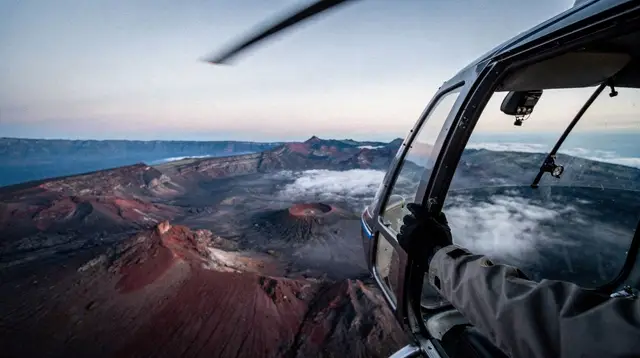
For travelers who want a bigger-ticket activity on the same trip and are staying in or passing through the central Maui area, an aerial view of the island is bookable from operators based near the airport. A helicopter flight is a different budget and time commitment than the plantation, but it departs from the same general area — a doors-off helicopter flight over West Maui and Molokai is one option worth considering if you’re already near Kahului and have a morning free.
Practical notes
- Weather: Central Maui is drier than Hana and greener than the leeward resort coasts, and it doesn’t carry the wind that hits Maalaea in early afternoon. It’s a reasonably comfortable stop most of the year.
- Food: If you plan to eat at the on-site restaurant, going at typical lunch hours means a wait during peak season; an early or late lunch avoids it.
- Photography: The crop fields and tram route give decent photo opportunities without the crowds you’d find at beach-facing attractions.
- Combine with Iao Valley: Iao Valley State Monument: The Easy Hike Near Wailuku is close by in Wailuku and non-residents need a timed reservation and parking permit there — check that separately, since it isn’t required for the plantation itself.
- Trip planning: If you’re still working out your overall itinerary, Where to Stay in Maui: A First-Timer’s Guide to Choosing Your Base and 3 Days in Maui: The First-Timer’s Itinerary both cover how a stop like this slots into a broader plan, and the general Travel tips for Maui hub has the logistics questions most first-time visitors ask.
Maui Tropical Plantation FAQ
Is the Maui Tropical Plantation the same as the farms in Upcountry Maui?
No. It’s in the central isthmus near Wailuku, close to sea level, not on the slopes of Haleakala. Upcountry farms around Kula are a separate drive of 45 minutes to an hour, with a different climate and different crops.
How much time should I plan for a visit?
An hour and a half to two hours covers the grounds, the tram tour, and a browse through the market. Add another hour if you plan to eat at the on-site restaurant.
Is there an admission fee?
Walking the grounds, market, and restaurant is free. The narrated tram tour through the crop fields is a paid, timed activity with its own ticket.
Can I visit on the day I fly in or out of Kahului?
Yes, that’s when it fits best. It’s a few minutes from OGG, so it works well right after picking up a rental car or on the way back for a departure flight, without adding a detour across the island.
Is it suitable for kids?
Yes. The grounds are flat and stroller-friendly, the tram ride is short and low-key, and there’s usually livestock or produce displays that hold a child’s attention without requiring a hike.
Does the plantation offer ziplining?
A zipline course operates on part of the property under separate booking and pricing from the tram tour and grounds. It’s a distinct activity, not something included in a general visit.
What else is nearby if I have extra time?
Iao Valley State Monument is about 15 minutes away in Wailuku, and Kahului’s shops and airport-area services are a few minutes in the other direction, which makes it easy to pair with either.
Farm and food tours on GetYourGuide
Verified deep-linked GetYourGuide tours. Book through these links and we earn a small commission at no cost to you.
GetYourGuide does not provide a product photo for this activity — the image shows the meeting point, photographed by us.