Maui Coffee Farm Tour: Visiting the Haleakala Coffee Estates
What does a Maui coffee farm tour include?
A guided walk through the coffee rows on Haleakala's lower slopes, an explanation of how the cherries are picked and processed, a look at the drying and roasting equipment, and a tasting of the finished coffee. Most tours run 60 to 90 minutes and sit within a broader farm-to-table experience rather than as a standalone coffee-only visit.
Coffee on the Mountain, Not the Coast
Most visitors picture Hawaiian coffee as a Big Island product, tied to the Kona district’s specific volcanic soil. Maui grows its own coffee too, and the plants that matter for a farm tour aren’t down by the beach resorts — they’re on Haleakala’s lower slopes, above Kula and toward Makawao, in the same general belt of former ranch and plantation land that also grows lavender, protea, and small vegetable plots. The elevation there, roughly 600 to 1,200 meters, sits well below the 3,055-meter summit but high enough to run several degrees cooler than Kihei or Lahaina, with more cloud cover moving through most afternoons.
A coffee farm tour in this belt is a working-agriculture visit, not a botanical garden walk. You’re looking at rows of coffee trees planted on a slope, cherries that ripen from green to a deep red, and the equipment a small operation uses to turn picked fruit into roasted beans. It’s a narrower, more specific experience than a general Upcountry farm visit, and it rewards a little bit of curiosity about how coffee actually gets made — most people who’ve only ever bought a bag off a shelf have never seen a pulper or a raised drying bed in person.
What the Tour Actually Covers
A typical coffee-focused stop runs 60 to 90 minutes and follows a fairly consistent shape:
- A walk through the coffee rows, where the guide points out how the trees are planted in the sloped soil, how they’re pruned, and what the different ripeness stages of the cherry look like on the branch.
- An explanation of the processing steps — pulping the ripe cherry to remove the outer fruit, fermenting or washing the remaining mucilage off the bean, and drying the green bean on raised beds or patios before it’s ever roasted.
- A look at the roasting equipment, usually a small drum roaster sized for a farm operation rather than an industrial facility, with the guide explaining how roast time and temperature change the final flavor.
- A cupping or tasting, where you try the finished coffee and, on some tours, compare a couple of roast levels side by side.
None of this requires an active harvest to be worthwhile — the trees, the equipment, and the tasting are there year-round. What changes with the season is whether you’ll actually see cherries being picked and processed in real time.
Harvest Timing: What You’ll See and When
Coffee cherries on Haleakala’s slopes generally ripen from around August through December, with the heaviest picking activity in the fall. Outside that window, the tour still covers the full explanation and the tasting, but the picking and fresh processing steps become a description rather than something happening in front of you. If watching an actual harvest matters to you, aim for a fall visit and ask the operator directly when you book — small farms shift their exact picking dates from year to year depending on weather, and nobody can promise a specific day will show cherries on the trees.
| Season | What’s active | What you’ll see |
|---|---|---|
| August–December | Cherry ripening, picking | Live harvest activity possible, red cherries on trees |
| January–April | Post-harvest processing, tree maintenance | Drying beds may still show recent batches, pruning underway |
| May–July | Flowering, early fruit set | White coffee blossoms, small green cherries forming |
How This Differs From Other Upcountry Farm Visits
Haleakala’s slopes host more than one kind of farm, and it’s worth being specific about what each one actually offers rather than treating an “Upcountry farm tour” as one interchangeable product built around a shared idea of mountain agriculture.
- Lavender and goat farms around Kula center on different crops entirely — lavender fields, dairy goats, and the products made from them. That’s covered separately in our Kula farm tour guide, and it isn’t the same stop as a coffee-focused visit.
- The Maui Tropical Plantation, down in Central Maui near Kahului, runs a tram tour through a broad mix of tropical crops at a much larger, more resort-style scale. It doesn’t build its visit around coffee’s specific growing and processing cycle. Details are in our Maui Tropical Plantation guide.
- Urban food tours in Lahaina town are a walking, restaurant-and-market format entirely separate from a working farm visit — see the Lahaina food tour guide if that’s closer to what you’re after.
A coffee farm tour is narrower than all three: one crop, one full cycle from tree to cup, on one specific slope of the mountain.
Booking a Combined Farm and Brunch Experience
Very few operators run a coffee-only tour as a standalone product. In practice, the coffee rows are one stop within a broader working-farm visit that also covers other crops and folds in a meal. The guided farm tour paired with a farm-to-table brunch is built this way: a walk through the growing areas, including the coffee trees, followed by a meal built from what the farm produces. If you’re specifically chasing the coffee explanation and tasting, ask the operator ahead of time how much of the route is dedicated to coffee versus other crops — it varies by farm and by season.
For travelers who want an animal-focused stop on the same general slope of the mountain, the alpaca farm visit with hands-on activities sits in the same Upcountry area but is not a coffee tour — it’s a separate, complementary stop if you’re building a half-day out of more than one farm.
Not every Upcountry tasting experience involves coffee at all. The tea tasting tour at the dragonfruit farm is worth mentioning here only to be clear about what it is not: it’s a dragonfruit and tea operation, a different crop with a different tasting format, not a coffee farm under another name.
Getting There and What to Wear
The coffee farms sit along the Upcountry roads above Kula, reached via the Haleakala Highway corridor rather than any coastal route. From Kahului it’s a manageable drive up into the foothills; from West Maui resorts around Kaanapali or from Wailea, plan for closer to an hour each way once you’re actually on the mountain roads. See whether you need a rental car on Maui and renting at OGG if you haven’t sorted transportation yet — the Maui Bus does not reach this part of Upcountry.
Mornings at this elevation run cool and often damp with passing cloud, noticeably different from the beach towns below. A light layer is enough — this isn’t the near-freezing air of the Haleakala summit covered in our what to wear at the crater guide, but a t-shirt alone will leave you cold standing in the shade of the coffee rows before 9 a.m. Closed shoes are worth it too; the ground between rows is often uneven and can be muddy after rain.
Combining It With the Rest of Upcountry or Haleakala
Because the coffee farms sit on the same general slope as the road up to the summit, some visitors try to fold a farm stop into a sunrise or sunset trip. That’s workable for a sunset run — see the Haleakala sunrise eco tour with breakfast if you’d rather combine the summit and a Upcountry breakfast stop into one guided morning — but a strict sunrise itinerary usually doesn’t leave time for a proper farm visit before or after, since the reserved entry window sits between 3 and 7 a.m. and most farms don’t open that early. If your plan already centers on the crater, our Haleakala hiking trails guide, stargazing guide, and parking and access guide cover that half of the mountain in detail; a coffee farm stop pairs more naturally with a separate, later-morning or midday visit rather than being stacked onto a pre-dawn drive.
For travelers planning a longer stay, a coffee farm tour fits comfortably into an Upcountry-and-mountain day within a week-long Maui itinerary, rather than as a rushed add-on to a beach day. If you’re still working out how much time to give the island overall, how many days you need in Maui and the best time to visit are useful starting points, and Maui’s weather by month is worth a look before locking in dates around harvest season specifically.
What to Skip if You’re Short on Time
If your Maui trip only has room for one Upcountry farm stop and coffee isn’t a particular interest, the lavender and goat farms or the general farm-to-table brunch format will likely satisfy most travelers just as well, with less specificity required going in. A coffee farm tour rewards people who actually want to understand the processing chain — pulping, drying, roasting — and are willing to spend part of the visit on explanation rather than photo opportunities. If that’s not the draw for you, the broader Upcountry farm and food tours category covers the full range of options on this side of the mountain, and the things to do near Haleakala hub lists the crater activities alongside the farm stops for anyone building a single Upcountry day from scratch.
Maui Coffee Farm Tours: Frequently Asked Questions
Is there a coffee-only farm tour on Maui, or is it always combined with other crops?
On Haleakala’s slopes, coffee is almost always toured as part of a wider working farm rather than as its own single-crop operation. Expect the coffee rows to be one stop on a route that also covers other Upcountry produce, with a farm-to-table meal built around the visit.
When is coffee harvest season on Maui?
Cherries typically ripen from around August through December, with the heaviest picking in the fall months. A tour booked outside that window still shows the trees, the processing equipment, and a tasting, but not an active harvest in progress.
How high up the mountain are the coffee farms?
The coffee-growing elevation on Haleakala’s slopes generally sits in the 600 to 1,200 meter range, well below the 3,055 meter summit. It’s noticeably cooler and often cloudier than the coast, but not the cold, thin air of the crater rim.
Do I need a rental car to get to a coffee farm tour?
Yes for a self-drive visit. The farms sit along the Upcountry roads above Kula and Makawao, which the Maui Bus does not reach. Some tour operators include hotel pickup from West Maui or South Maui resorts as part of the booking — check that detail before assuming you’ll self-drive.
Can I buy coffee at the farm?
Most working farms sell bagged roasted coffee on site or at the end of the tour, often at a price close to what you’d pay in a Kahului or Kihei shop. It’s a reasonable way to bring home something grown on the mountain rather than shipped in, but don’t expect discount pricing simply because you’re standing in the field.
How does this differ from the Kula lavender and goat farms?
Coffee is a distinct crop with its own growing cycle, processing steps (pulping, drying, roasting) and tasting format (a cupping, not a sampling plate). A lavender and goat farm visit centers on different products and a different rhythm. Both sit on Haleakala’s slopes, but they are separate stops, not interchangeable versions of the same Upcountry farm experience.
Is this the same thing as the Maui Tropical Plantation?
No. The Maui Tropical Plantation sits down in Central Maui near Kahului, is built around a tram tour through a broad mix of tropical crops, and doesn’t focus on coffee processing specifically. A coffee farm tour on Haleakala’s slopes is smaller in scale and centered on one crop’s full cycle, from tree to cup.
Farm and food tours on GetYourGuide
Verified deep-linked GetYourGuide tours. Book through these links and we earn a small commission at no cost to you.
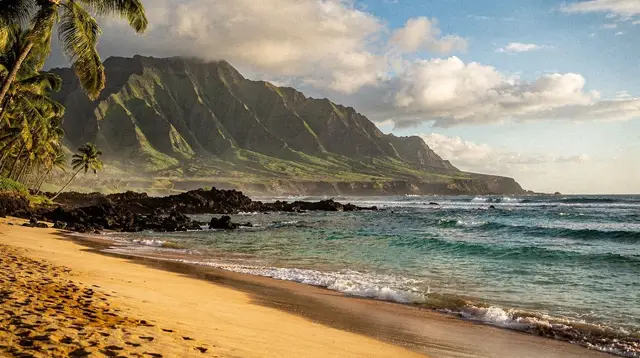
GetYourGuide does not provide a product photo for this activity — the image shows the meeting point, photographed by us.