Food Tour in Lahaina Town: What to Expect
Is there a food tour in Lahaina town, and is Lahaina open to visitors?
Lahaina is still rebuilding after the August 8, 2023 fire, and parts of the historic core remain restricted, but the harbor area and a growing number of restaurants and food vendors have reopened. A Lahaina food experience today usually means tastings built around a specific farm-to-table producer or a small-group culinary outing near the harbor, not a walking tour through the old Front Street shopping district, which no longer exists in its former form.
What a Lahaina Food Experience Actually Is Today
When people search for a “food tour in Lahaina,” most are picturing the old idea: a guide leading a small group down Front Street, stopping at a poke counter, a shave ice window, a bakery, and a bar with a view of the harbor. That version of Lahaina does not currently exist. The historic commercial core burned on August 8, 2023, and the town is still rebuilding. Front Street is not the intact row of galleries and restaurants it was before the fire, and a walking tour that hops between a dozen downtown storefronts is not something you can book here right now.
What has taken its place, for visitors who want a food-focused outing based in Lahaina rather than in Kaanapali or south Maui, is a smaller set of single-producer tastings a short drive from town. West Maui has a working cacao farm and an associated small-batch chocolate factory near Lahaina, and these have become the region’s answer to a culinary excursion: a farm walk, an explanation of how the crop is grown and processed on this specific patch of coastline, and a tasting that runs from raw bean to finished bar. It is a narrower, more focused format than a plantation tram tour or a multi-stop town walk, and it is worth knowing that going in so expectations match what is actually on the ground.
Where This Fits Among Maui’s Food Options
Maui’s farm-and-food tourism spreads across three very different landscapes, and it helps to know which one you are booking before you commit a morning to it.
| Format | Where | What it covers |
|---|---|---|
| Lahaina-area cacao and chocolate tasting | West Maui coast, near Lahaina | A single working farm, bean-to-bar process, small-group tasting |
| Upcountry farm tours | Kula, on the slopes of Haleakala | Lavender, produce, goat farms at elevation — see Upcountry Farm Tours Near Kula, Maui |
| Coffee farm visits | Various elevations, the whole island | Coffee cultivation and roasting — see Maui Coffee Farm Tour: Visiting the Haleakala Coffee Estates |
| Maui Tropical Plantation | Central Maui, near Wailuku | Larger working plantation, tram tour, multiple crops — see Maui Tropical Plantation Tour: What to Expect in Central Maui |
This page covers only the first row. If a lavender field, a goat dairy, or a coffee roastery is what you’re after, those are Upcountry and central Maui experiences, not a Lahaina town outing, and the guides linked above go into them directly. What follows stays on the coast, in and around West Maui.
Lahaina in 2026: What’s Open, What Isn’t
Any honest guide to spending time in Lahaina has to start with where the town actually stands. The fire on August 8, 2023 was the most serious event in the island’s recent history, and it destroyed most of the historic Front Street commercial district, including buildings that dated to Lahaina’s years as capital of the Hawaiian Kingdom in the 1820s–1840s. Recovery has been gradual. Some sections of the burn zone remain under restricted access while cleanup and rebuilding continue, and the historic banyan tree survived the fire but its surroundings are not fully open to the public in the way they once were.
What has reopened matters more for planning a visit than what hasn’t. Lahaina Harbor is functioning: catamarans, sunset sails, and whale-watching boats still depart from here, alongside the harbor at Maalaea. A growing number of restaurants and small businesses outside the immediate burn zone have reopened or relocated nearby, and that number changes month to month. Rather than printing a list here that will be out of date by the time you read it, check the county’s official Lahaina recovery updates before your trip, and treat any tour operator’s meeting point as the authoritative word on what’s currently accessible, since they update faster than most guidebooks. The tone worth taking as a visitor is straightforward: say what has reopened, don’t go looking for storm damage as a sightseeing stop, and don’t assume the town is back to how it looked in photos from before 2023.
For more on the recovery itself, Lahaina Since the Fire: What’s Actually Open in 2026 covers the timeline in more depth, and Maui After the Fire: How Tourism Is Actually Adapting looks at how the wider West Maui visitor economy has responded.
The Cacao and Chocolate Tastings
The centerpiece of a West Maui food outing is cacao. A working cacao farm operates on the coast near Lahaina, and a small chocolate factory processes beans grown on-site into finished bars. Both are bookable as separate experiences, and each runs two to three hours.
A cacao farm tour typically opens with a walk through the growing rows, where a guide explains how cacao pods form directly on the trunk and branches of the tree, how they’re harvested by hand, and what happens during fermentation and drying before a bean is anywhere close to being chocolate. From there, tastings usually move through several stages of the process — raw nibs, different roast levels, and finished bars with local flavor pairings. Some versions of this experience add a light meal built around the same ingredients, which is worth checking for if you’re planning it around lunch.
a cacao farm walk paired with a tasting feast is the fuller version of this format if you want the farm context and a meal in one outing. For a more concentrated, factory-floor version focused specifically on the chocolate-making process rather than the farm itself, a small-batch chocolate factory tour and tasting covers roasting, conching, and tempering in more detail.
A third option worth knowing about, even though it isn’t chocolate: the same general area also runs a tea tasting at a working dragonfruit farm, which pairs a fruit farm walk with a seated tea tasting. It’s a gentler pace than the cacao tours and works well for travelers who want a shorter, quieter stop rather than a full farm-to-bar walkthrough.
None of these are large-group plantation tours. Group sizes tend to run small, which means the guide can go deeper into specifics — the fermentation window for the beans currently in production, the reasoning behind a particular roast profile — than a bus-load tour through a bigger operation could manage.
What to Expect Logistically
Most of these tastings sit a short drive south of Lahaina town along the Honoapiilani Highway, closer to Olowalu than to the harbor itself. Confirm the meeting point when you book: some tours include pickup from Lahaina and Kaanapali hotels, while others expect you to drive yourself and park on-site. Given the changes to road access around Lahaina since 2023, it’s worth double-checking the route with the operator directly rather than relying on an older map.
Plan for two to three hours for a single tasting, plus travel time. Wear closed-toe shoes for the farm walk — the ground is uneven in places — and bring water and a hat, since much of the walking happens outdoors without much shade. Sunscreen matters here specifically because Maui County bans the sale, distribution, and use of any sunscreen containing oxybenzone, octinoxate, or octocrylene as of October 1, 2022; a mineral, zinc-based sunscreen is the only option that’s actually legal to wear on the farm, not just easy to buy elsewhere.
Prices are quoted in US dollars and shown before Hawaii’s general excise tax of roughly 4.2–4.5%, which applies to tour bookings the same way it applies to most goods and services on the island. If a tasting includes a meal or alcohol, check whether gratuity is built in — 18–20% is standard if it isn’t already added.
Pairing a Food Tasting With the Rest of a West Maui Day
Because these tastings run half a day at most, most visitors build them into a longer day rather than treating them as a standalone outing. A cacao tour in the morning leaves the afternoon open for Kaanapali Beach or a swim at Napili Bay, and an evening sunset catamaran cruise from Lahaina Harbor closes the day out on the water, weather and wind permitting.
If you’re staying in West Maui for several days and want to see how a food tasting fits into a broader itinerary, A One-Day Guided Tour of West Maui and 3 Days in Maui: The First-Timer’s Itinerary both work a coastal food stop into a fuller schedule without requiring a full day dedicated to it.
For an evening built more around food and performance than around a farm, a luau is Maui’s other major food-adjacent tradition, and it’s a different experience entirely — a commercial dinner and show rather than a working farm visit. Old Lahaina Luau Review: What the Evening Is Really Like and Luau Food in Maui: What’s Actually on the Menu cover what that format actually includes, including the real cultural history behind the dance and chant, which is worth taking seriously rather than treating as background entertainment.
What This Page Doesn’t Cover
Maui has several other legitimate farm-and-food formats that fall outside a Lahaina town outing, and this page intentionally leaves them to their own guides:
- The lavender fields, goat farms, and Upcountry produce growers around Kula sit at elevation on the slopes of Haleakala, a different climate and landscape entirely from the West Maui coast — see Upcountry Farm Tours Near Kula, Maui.
- Maui’s coffee farms, which operate at various elevations around the island, are covered in Maui Coffee Farm Tour: Visiting the Haleakala Coffee Estates.
- The Maui Tropical Plantation, a larger working farm near Wailuku in central Maui, runs its own tram tour and is covered in Maui Tropical Plantation Tour: What to Expect in Central Maui.
If any of those better match what you’re picturing — a bigger plantation, a mountain setting, a coffee roastery — those guides are the right starting point rather than this one.
Budget-Minded Alternatives
Not every food experience in West Maui requires booking a farm tasting. If you’re traveling on a tighter budget, Cheap Eats in Maui: Where to Actually Save Money on Food and Free Things to Do in Maui cover lower-cost ways to eat well on the island, including the plate lunch counters, shave ice stands, and farmers markets that don’t require a booked tour at all. A cacao or chocolate tasting is a paid, guided experience with a fixed schedule — a good fit if you specifically want the explanation of how the product is made, less necessary if you just want a good meal.
Lahaina Food Tour FAQ
Can I still take a walking food tour through Front Street in Lahaina?
No. Front Street’s historic commercial core burned on August 8, 2023, and it is not the strolling row of galleries, shops, and restaurants it used to be. Culinary experiences based in the Lahaina area now center on specific venues, such as farm tastings or harbor-adjacent dining, rather than a multi-stop walk through downtown storefronts.
Is Lahaina safe and open to visit in 2026?
Much of Lahaina is open, including the harbor, boat departures, and a growing number of businesses, but the burn zone and parts of the historic district remain under restricted access while rebuilding continues. Check the county’s official Lahaina recovery updates for the current status of specific streets before planning a visit.
What kind of food can I try on a Lahaina-area culinary tour?
West Maui’s food tastings tend to focus on cacao and chocolate, since a working cacao farm and a small chocolate factory both operate near Lahaina. Expect bean-to-bar tastings, a farm walk explaining how cacao pods are grown and fermented locally, and sometimes a paired meal, rather than a broad sampling of Hawaiian street food.
How is a Lahaina food experience different from the Kula farm tours or the Maui Tropical Plantation?
Those are Upcountry and central Maui experiences at higher elevation or on the isthmus, built around lavender, produce, and larger working plantations. A Lahaina-area food outing sits on the coast, is shorter, and is organized around a single small producer rather than a multi-acre plantation tram tour.
Do I need a rental car to reach a Lahaina food tour?
Most Lahaina-area tastings include transportation or meet at a fixed point reachable from Kaanapali and Lahaina hotels; some require driving yourself along the Honoapiilani Highway. Confirm the meeting point and whether pickup is included when booking, since Lahaina’s post-fire road access has changed in places.
Is there a dress code or anything to bring to a cacao or chocolate tasting?
Casual clothing and closed-toe shoes are enough for a farm walk; bring water and sun protection, since much of the walking happens outdoors with little shade. Mineral sunscreen only — Maui County bans the sale, distribution, and use of sunscreen containing oxybenzone, octinoxate, or octocrylene.
Can I combine a food tasting with other Lahaina activities in one day?
Yes. Many visitors pair a morning cacao or chocolate tasting with an afternoon at Kaanapali Beach or an evening catamaran departure from Lahaina Harbor, since the tasting itself typically runs two to three hours.
Farm and food tours on GetYourGuide
Verified deep-linked GetYourGuide tours. Book through these links and we earn a small commission at no cost to you.
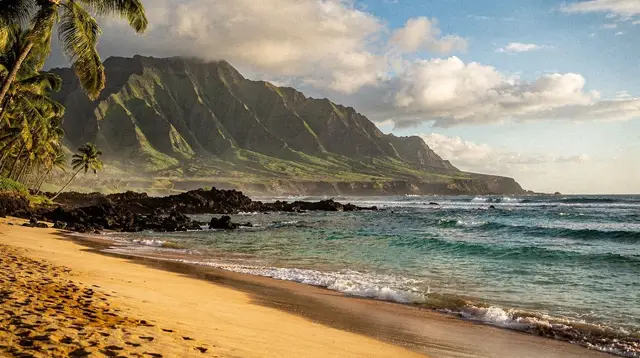
GetYourGuide does not provide a product photo for this activity — the image shows the meeting point, photographed by us.