Free Things to Do in Maui
What can you actually do for free on Maui?
Public beaches, several hiking trails, whale watching from shore in winter, stargazing, and walking through towns like Paia and Wailuku all cost nothing beyond a rental car and gas. Some sites still charge a parking or entry fee even though the activity itself is free.
Building a Maui trip around what costs nothing
Maui’s paid excursions get most of the attention, and several of them are worth the money. But a good share of what people come here for — a coastline to walk, a mountain to watch the sun rise over, a whale breaching offshore — does not require a ticket. This page collects the activities on the island that cost nothing to do, beyond the rental car and gas it usually takes to reach them. It does not cover cheap meals (see cheap eats in Maui) or lower-cost snorkeling trips (see budget snorkeling options) — both get their own page.
One thing worth saying plainly: free beach access is not a Maui specialty. Every beach in the state of Hawaii is public land up to the high-water mark, by law, including the sand directly in front of the resorts in Wailea and Kaanapali. Those resorts are required to provide public access paths, and they do. It’s a real advantage over destinations where hotel beaches are fenced off, but it’s an Hawaii-wide rule, not something Maui does differently from Oahu or Kauai. More on that here: Hawaii’s beaches are all public — what that means.
Beaches and beach parks that cost nothing
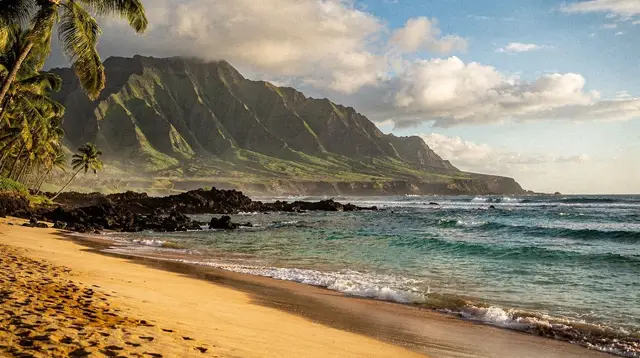
Every stretch of sand on the island falls under the public-access rule above, but a few are worth naming because they’re easy to reach and don’t require booking anything.
- Kamaole Beach Parks I, II and III, in Kihei, have free parking lots, restrooms and showers, and calm water most mornings.
- Kaanapali Beach, fronting the resorts, is reached through marked public access paths off Kaanapali Parkway. Parking near the resorts is paid; a handful of public lots nearby are free but limited.
- Baldwin Beach Park, near Paia, is a long stretch of sand with a protected keiki (children’s) pool at its west end and free parking.
- Waianapanapa State Park’s black-sand beach, past Hana, is free to look at but requires a paid, timed reservation for non-residents just to enter the park — it isn’t a walk-up stop. Book ahead through gostateparks.hawaii.gov.
None of this needs a guide or a ticket. What it needs is sunscreen that meets the county’s rules — Maui County has banned the sale, distribution and use of sunscreens containing oxybenzone, octinoxate or octocrylene since October 2022, so pack a mineral (zinc) sunscreen before you land rather than assume you’ll buy the right kind here.
Hiking trails with no entry fee
Several of the island’s best trails charge nothing to hike, though a few charge for parking.
| Trail | Region | Cost | Notes |
|---|---|---|---|
| Waihee Ridge Trail | West Maui mountains | Free | Reservation-free, steep in places, wide valley views |
| Lahaina Pali Trail | Between West and South Maui | Free | Exposed, hot, best started early |
| Iao Valley State Monument | Central Maui | Paid parking for non-residents | Short walk to the Iao Needle viewpoint; reserve parking ahead |
| Pipiwai Trail to Waimoku Falls | Kipahulu, near Hana | Included in park entry fee | Closes to swimming after rain; the hike itself stays open more often |
| Makamakaole Falls | Upcountry access road | Free | Less crowded, can be muddy |
Iao Valley is the one exception worth flagging twice: the walk to the viewpoint is short and free, but the state now requires non-residents to book a parking reservation and time slot in advance. Show up without one and you won’t get in, so treat it the same way you’d treat the Haleakala sunrise booking — as a step to do before you land, not once you’re at the gate.
Trail conditions on Maui change fast. Rain upcountry can turn a dry gulch into a flash flood in minutes, so never cross a rising stream and never hike above a waterfall to get a better photo.
Sea turtles you can watch from the sand
You don’t need a snorkel mask or a boat charter to see a Hawaiian green sea turtle (honu). They haul out to rest on sand and rock along stretches of the South and West Maui coast, and watching one from a respectful distance on shore costs nothing. State and federal law sets a minimum viewing distance — the animals are protected, and getting close enough to touch or crowd one is not just bad practice, it’s illegal — so bring the patience to stay back rather than any gear. For where sightings are most reliable and what the legal distance actually is, see best spots to see turtles in Maui and the sea turtle viewing distance law in Maui. If shore viewing leaves you wanting to see them underwater instead, that moves you into paid-tour territory — turtle snorkeling from shore covers the cheapest way to do that without a boat.
Whale watching from the shore — no boat required
From December through April, with the busiest sightings in January through March, humpback whales gather in the Auau Channel between Maui, Lanai and Molokai to breed and calve. It’s one of the best whale-watching stretches of ocean in the world, and you don’t need to be on a boat to see it. Good elevated viewpoints along the west and south coasts — pull-offs on the Honoapiilani Highway, the McGregor Point overlook near Maalaea, and the Wailea coastal path — put you high enough above the water to spot spouts and breaches with nothing but patience and, ideally, binoculars.
This is a real alternative to a paid boat tour, not just a consolation prize: whales breach close enough to shore here that shore-based sightings are common. For the mechanics of the season and the federal approach-distance rules that apply to boats (not to anyone standing on land), see whale watching from shore in Maui and best time for whale watching in Maui. No sightings are ever guaranteed, boat or shore, and there are no whales to see outside that winter window — a shore session in July will show you ocean and nothing else.
Sunrise, sunset and stargazing without paying for a tour
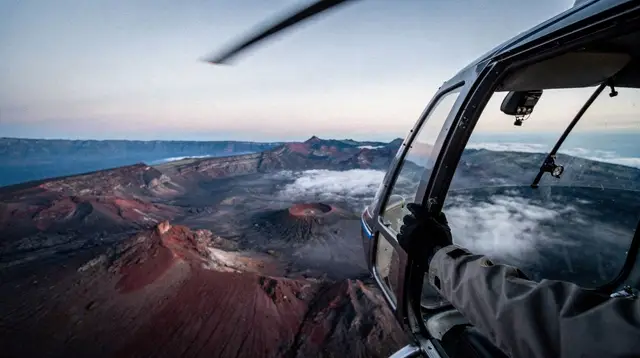
The most photographed sunrise on the island, at the Haleakala summit, is not free: it requires both the park’s per-vehicle entry fee and a separate paid reservation on recreation.gov for any entry between 3 a.m. and 7 a.m. There’s no free workaround for that specific window. What doesn’t require a special reservation is the sunset at the same summit — you still pay the standard three-day park entry fee, but not the sunrise booking, and the view over the crater’s eroded valley is just as striking in the evening light. Details on the difference: Haleakala sunrise reservation, how it works and Haleakala sunset without a tour.
For stargazing, the summit’s altitude and lack of light pollution make it one of the better amateur spots in the state, and simply being there after dark costs only the park entry fee already mentioned — see Haleakala observatory and stargazing for what’s visible and when. It’s cold at that elevation, close to freezing before dawn year-round, so bring real layers regardless of how warm the coast felt that afternoon; see what to wear at the Haleakala summit.
Closer to sea level, a sunset catamaran cruise is a paid experience, but the sunset itself is visible for free from Kaanapali Beach Walk, the Wailea coastal path, or any west-facing beach on a clear evening — no ticket needed for that version of it.
Towns worth a free afternoon
Walking a town costs nothing, and Maui has a few worth the time:
- Paia, on the way to Hana, is a small surf town with a laid-back main street — worth a slow look before continuing on the highway. See Paia town, a stop on the road to Hana and life in Paia, a surf town’s culture.
- Wailuku, the county seat in Central Maui, has older plantation-era buildings and a quieter pace than the resort towns — an easy stop on the way to or from Iao Valley.
- Lahaina is still rebuilding after the August 8, 2023 fire. Front Street is not the shopping and gallery strip it once was, and access to parts of town, including around the historic banyan tree, remains restricted. What has reopened is worth a respectful visit, and the harbor still runs its boats, but this isn’t a place to go looking for damage as a sight to see. Check the county’s official sources for the current state before planning a stop, and read Lahaina rebuilding after the fire for context.
Scenic driving that costs only gas
Some of the island’s best views come from the drive itself, not from anything you pay to enter once you get there. The Hana Highway is the obvious example: the road out to Hana runs through rainforest, past waterfalls and along sea cliffs for roughly 100 km of narrow, winding pavement, and driving it yourself — stopping wherever a pull-off looks good — costs nothing beyond gas and the rental car you’d likely already have. What it does require is planning: gas stations and driving tips for the road to Hana covers where to fill up before you leave, since options thin out fast once you’re on the highway, and a stop-by-stop map of the drive lays out which pull-offs are worth the time. Not every stop along the way is free — some waterfalls sit on private land with a posted fee — but the driving and the roadside views are.
Upcountry offers a quieter version of the same idea. The road up through Kula and Makawao climbs the lower slopes of Haleakala, and the views back down over the isthmus and both coastlines open up the higher you go — no ticket required to pull over and look. It’s also the same route you’d take toward the summit itself, so a slow upcountry drive pairs naturally with an evening or sunrise trip up top.
A few paid add-ons worth the money, once your free days are covered
None of the above requires spending on activities. If your budget has room for one or two paid experiences after the free stops, a couple are worth naming because they add something the free options can’t:
If you want to actually get in the water and learn something rather than just watch from the sand, a group surf lesson is a reasonable one-time splurge that a free beach day can’t replicate. Renting a board yourself is another middle option — a stand-up paddleboard rental costs a fraction of a guided tour and lets you set your own pace along a calm South Maui bay.
For whale season specifically, shore viewing is genuinely good, but if you want a closer, more reliable look than a coastal overlook can offer, an small-group whale watching cruise is the one paid upgrade most likely to be worth it during the December-to-April window. And if Iao Valley’s short walk leaves you wanting more indoor time on a hot or rainy day, an entry ticket to the Maui Ocean Center at Maalaea is a fixed, modest cost with air conditioning and no weather dependency.
Getting to free things without overspending on transport
Almost everything on this list is easier with a rental car, and for some of it — Waihee Ridge, Lahaina Pali, the Hana Highway stops — a car is close to the only option. The Maui Bus covers routes between Kahului, Wailuku, Kihei, Lahaina and Kaanapali, which is enough to string together a car-free day of beach parks and town walking within South or West Maui, but it does not reach the Haleakala summit and does not run the Hana Highway. If a car-free stretch of your trip is the goal, see do you need a rental car in Maui for what’s realistically reachable without one, and pair it with three days in Maui without a car for a full itinerary built around that constraint.
If a car is in the plan, book it when you book your flight rather than the week before — rental inventory on the island tightens fast, especially in high season, and a late booking usually means paying more for what’s left.
Frequently asked questions about free things to do in Maui
Is Maui expensive even if you avoid paid tours?
Yes. Hawaii’s general excise tax adds roughly 4.2 to 4.5% to nearly everything you buy, and a rental car is close to mandatory to reach most of the free spots on this list.
Are Maui’s beaches really free to use, including in front of resorts?
Yes. Every beach in Hawaii is public land up to the high-water mark, including the sand fronting the Kaanapali and Wailea resorts, which are required by law to maintain public access points.
Can I watch whales without paying for a boat tour?
Yes, from December through April, with a peak from January to March. Humpback whales breach and spout close enough to shore in the Auau Channel that a raised viewpoint and patience are often enough.
Is it free to see the sunrise or sunset at Haleakala?
Neither is free. Haleakala National Park charges a per-vehicle entry fee valid for three days, and sunrise additionally requires a paid reservation on recreation.gov. There is no way to enter the summit area at sunrise hours without that reservation.
Do I need a car to reach the free things on this list?
For most of them, yes. The Maui Bus covers Kahului, Wailuku, Kihei, Lahaina and Kaanapali, but it does not reach the Haleakala summit, the Hana Highway, or most trailheads.
Is parking free at Maui’s trailheads and beaches?
Not always. Iao Valley and several state parks charge a parking fee for non-residents even when the trail or beach itself has no entry cost, so check before you go.
Low-cost things to do on GetYourGuide
Verified deep-linked GetYourGuide tours. Book through these links and we earn a small commission at no cost to you.
GetYourGuide does not provide a product photo for this activity — the image shows the meeting point, photographed by us.