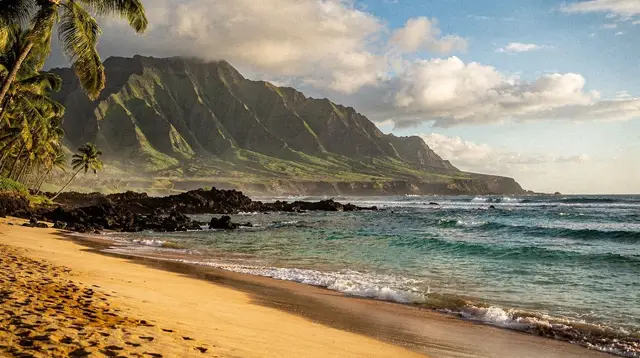
Upcountry and Haleakala Day Tour: What to Expect
What does an Upcountry and Haleakala day tour actually include?
It typically combines a stop or two in the Kula and Makawao farm country with a visit to Haleakala National Park during regular daytime hours, not the reserved 3-7am sunrise window. Expect a lavender or goat farm, small-town browsing in Makawao, and time inside the park at an elevation where it is genuinely cold.
A Haleakala visit that skips the 3am wake-up
Most people who mention Haleakala mean one thing: the sunrise. The reservation, the pre-dawn drive, the 3am alarm. That is a real and worthwhile experience, and it is covered in detail in our sunrise reservation guide. This page is about the other way to see the mountain — a guided day that treats Haleakala as one stop among several, alongside the farm country of Upcountry, and does not require anyone to be awake before dawn.
An Upcountry and Haleakala day tour typically pairs a stretch of the Haleakala Highway — Route 37, then 377, then 378 up to the park — with time in Kula and Makawao, the small towns that sit on the volcano’s lower slopes. Departures usually run mid-morning, which means no reservation for the 3 to 7am summit-entry window, no scramble to a parking lot in the dark, and a schedule that leaves room for stops most sunrise trips skip entirely.
What “Upcountry” means on this tour
Upcountry is the belt of former sugar and pineapple land on Haleakala’s slopes, roughly between 900 and 1,200 meters, cooler and greener than the coast. Two towns anchor it:
- Kula — scattered farms rather than a town center: protea flower growers, lavender fields, goat dairies. Several run public tours with tastings.
- Makawao — a former paniolo (Hawaiian cowboy) town, still recognizable in its wooden storefronts and saddle shops turned into galleries and cafes.
A typical itinerary picks one farm stop, often a lavender farm or a goat farm and creamery, and a short walk through Makawao’s main street. Some versions swap the farm visit for a seated farm-to-table brunch, which slows the pace but adds a real meal rather than a browsing stop. Neither the farm visit nor Makawao requires advance booking on your part when it is bundled into a guided tour — the operator handles entry and any farm tasting fees.
If you want a deeper, farm-focused outing without Haleakala attached, see the dedicated Upcountry farm tour.
What happens inside the park
The guided vehicle continues up into Haleakala National Park after the Upcountry stops, or sometimes before them, depending on the operator’s route. Inside the park, expect:
- A stop at or near the summit visitor area for the crater view — the eroded valley carved by two rivers, not a classic volcanic crater, and considerably more interesting up close than the postcard version suggests.
- Time at one or more overlooks along Haleakala Highway on the way up or down, where the switchbacks through Upcountry pasture give way to the exposed, cindery upper slopes.
- A window of 30 minutes to just over an hour at elevation, depending on the tour.
This is daytime park access — the park entrance fee applies, generally built into the tour price, but the separate sunrise-slot reservation on recreation.gov does not, because you are not entering during the 3 to 7am window it controls. If your plan changes and you do want that sunrise slot, book it directly; it is not something a daytime Upcountry tour can add after the fact.
Getting there from wherever you are staying
Haleakala sits well inland, above the isthmus that separates West Maui from the resort areas of the south shore, so the drive is part of the day no matter where you booked your room. Guided tours handle the logistics with hotel pickup, which matters more here than on a short excursion: the Haleakala Highway climbs from near sea level to over 3,000 meters in a single continuous ascent, and doing that drive yourself for the first time, on unfamiliar switchbacks, is a different experience from being picked up in South Maui or Kaanapali and handed off at the summit gate. If you are still deciding whether a rental car makes sense for the rest of your trip, our guide to renting a car in Maui and the comparison of guided tours versus self-driving both cover the trade-offs in more depth than this page needs to.
Most pickups start from the Kihei and Wailea area or from Kaanapali and Kapalua, and a shared-van tour typically threads through a handful of resort stops before heading toward Upcountry. That adds time compared to driving straight there, which is part of why these tours run a full day rather than a half-day.
It is cold up there regardless of the hour
The single biggest misunderstanding about Haleakala is that the cold is a sunrise problem. It is not — it is an elevation problem. At 3,055 m, temperatures run well below what Kula, let alone Kihei or Kaanapali, sees at the same hour. A mid-morning or midday visit is warmer than a 5am one, but “warmer” at the summit can still mean single digits Celsius with wind. Bring a real layer regardless of when you go. Full guidance on what to pack for the summit’s cold is in our separate wardrobe guide — this page will not repeat it, but do not skip it just because you are visiting at 11am instead of 5am.
How this compares to other Haleakala options
| Tour type | Time of day | Sunrise reservation needed | Includes Upcountry |
|---|---|---|---|
| Upcountry and Haleakala day tour | Mid-morning to afternoon | No | Yes |
| Haleakala sunrise guided bike tour | Pre-dawn | Yes, by the tour operator | No |
| Haleakala sunset tour | Late afternoon to dusk | No | Sometimes, brief |
| Self-drive sunrise visit | Pre-dawn | Yes, booked by you | No |
The trade-off is straightforward: skip the pre-dawn light show, gain a broader look at the mountain’s farmland and two of its small towns, at an hour that does not require setting an alarm before 3am.
Who this tour actually suits
This combination tends to fit two kinds of travelers well. The first is anyone who has already decided the 3am sunrise reservation is not for them — families with young kids, light sleepers, or simply people on a trip long enough that they would rather protect one morning of sleep. The second is anyone who wants Haleakala on the itinerary at all but is building a trip around a base in South Maui or West Maui rather than staying inland, where the round-trip drive eats into a normal day regardless of the hour chosen.
It suits guided-tour travelers more than confirmed self-drivers, since the main appeal — no reservation, no pre-dawn drive, a planned stop in Kula and Makawao already arranged — is largely logistics that a self-driven visit can also assemble on its own, just without a driver handling the mountain road. If you are weighing that choice for your whole trip, not just this one day, the broader Maui itinerary planning guides are a useful starting point before booking anything.
A sunset variation of the same idea
If mid-morning does not fit your schedule, several operators run the same Upcountry-plus-Haleakala combination in reverse, timed to reach the summit for sunset instead of avoiding the sunrise crowd. A late-afternoon Haleakala and Upcountry sunset tour follows a similar route through Kula before climbing to the park for last light — no 3am reservation involved, since sunset entry does not carry the same booking system as sunrise. For a version built entirely around a private group and a lighter pace, a private Haleakala sunset tour covers the same ground without joining a shared van.
Adding a farm meal instead of a farm stop
Travelers who want the Upcountry half of the day to be more than a quick photo stop can look at a guided farm tour with a farm-to-table brunch, which turns the farm visit into a seated meal sourced from the property. It is usually offered as its own outing rather than bundled with the summit, so pair it with a separate Haleakala visit if you want both in one trip.
An unusual way to see the same slopes
For a different pace at elevation, a sunset llama trek on Haleakala’s slopes covers similar upper-elevation terrain on foot, alongside pack animals, ending around dusk. It is not a substitute for a park visit — the trek stays on private ranch land on the mountain’s flank — but it is a genuinely different way to spend an evening in the same general area as the Upcountry farms.
What this tour does not cover
Two things deliberately sit outside this page, because they are handled elsewhere and mixing them in risks the exact confusion this guide exists to avoid:
- The sunrise reservation system. Booking window, the 60-day release, the smaller two-day release, and what happens if you miss your slot are all in the sunrise reservation guide. A daytime or sunset Upcountry tour does not use that system at all.
- What to wear against the cold. The temperature math is the same whether you arrive at 5am or 11am, but the packing list itself — layers, gloves, a hat — is covered fully in the summit cold-weather guide.
If a tour listing implies that a mid-morning Upcountry combination somehow includes the sunrise, that is a mistake worth catching before booking: the two are separate products with separate reservation rules, and no amount of an early tour departure substitutes for the recreation.gov slot required between 3 and 7am.
Choosing a time of year
Maui’s dry season runs roughly May through October and the rainier season November through April, but at the summit that distinction matters less than it does at the coast — Haleakala’s exposed upper slopes are cool and windy year-round, and cloud cover can roll in and out at any time of year regardless of what the beach forecast says. A guided day tour has an advantage here that a self-driven sunrise trip does not: because it does not depend on a fixed pre-dawn reservation, an operator has more flexibility to work around a poor-visibility forecast than someone locked into a single recreation.gov slot. For a fuller picture of what to expect month by month across the island, see our guide to Maui’s weather by month.
Hurricane season for the central Pacific runs June through November, which overlaps with the dry season; it rarely affects a single day tour directly, but it is worth knowing about if you are booking activities across a full week rather than a single outing.
Planning the rest of the day around it
Because this tour usually runs a good part of a day, it pairs awkwardly with much else on the same date. Most travelers slot it in on a day with no other major activity booked, given the drive time alone: Kahului to the summit runs close to two hours each way even before Upcountry stops are added. If you are building a full week around Haleakala, the Haleakala crater hiking trails guide and the Haleakala observatory stargazing guide cover two other ways to use the same summit access, at different times of day and different levels of exertion.
For travelers deciding how to structure their whole trip around the mountain, the best time to visit Maui guide and the Haleakala parking and access guide are useful companions before choosing between a guided day tour, a self-driven visit, or the reserved sunrise slot.
Upcountry and Haleakala day tour: frequently asked questions
Does this tour include the Haleakala sunrise?
Not automatically. The 3 to 7am sunrise entry requires its own separate reservation on recreation.gov, booked up to 60 days ahead. A daytime or sunset-focused Upcountry tour is a different product and does not carry that reservation.
Is it cold at the summit even in the middle of the day?
Yes. Elevation, not the hour, drives the temperature. The summit sits at 3,055 m and stays markedly cooler and windier than the coast at any time of day, even when Kula below is mild and sunny.
What is actually in the Upcountry part of the tour?
Typically a working farm, often lavender or goats, around Kula, plus a stop in Makawao, the old paniolo (cowboy) town with its wooden storefronts. Some itineraries add a farm-to-table brunch instead of a generic farm stop.
How long does a combined Upcountry and Haleakala day tour take?
Most run 6 to 8 hours including hotel pickup, the drive up Haleakala Highway, park time, and one or two Upcountry stops. It is a full day out, not a half-day add-on.
Do I need to book the summit entry fee separately?
Guided tours generally build the park entrance fee into the price. If you self-drive instead, the National Park Service charges by vehicle, valid for three days, separate from any sunrise-slot reservation.
Can I do this tour instead of the sunrise bike ride?
They serve different goals. The sunrise bike tour is a reserved pre-dawn descent focused on one thing. An Upcountry and Haleakala day tour trades the pre-dawn wake-up for a broader look at the farm region and the crater itself, usually at a much easier hour.
Do I need a rental car for this tour?
No. A guided Upcountry and Haleakala day tour includes hotel pickup and drop-off, so it works whether or not you have a car. That is one of its advantages over a self-driven visit, since the Maui Bus does not reach either Upcountry or the summit.
Can this be combined with the Road to Hana on the same day?
Not realistically. Both are full-day undertakings built around a single long drive, and combining them means starting before dawn and finishing after dark on unfamiliar mountain roads. Most itineraries treat them as two separate days.
Circle island tours on GetYourGuide
Verified deep-linked GetYourGuide tours. Book through these links and we earn a small commission at no cost to you.
GetYourGuide does not provide a product photo for this activity — the image shows the meeting point, photographed by us.